Tooth Extraction Healing Stages: A Timeline From Clot to Bone
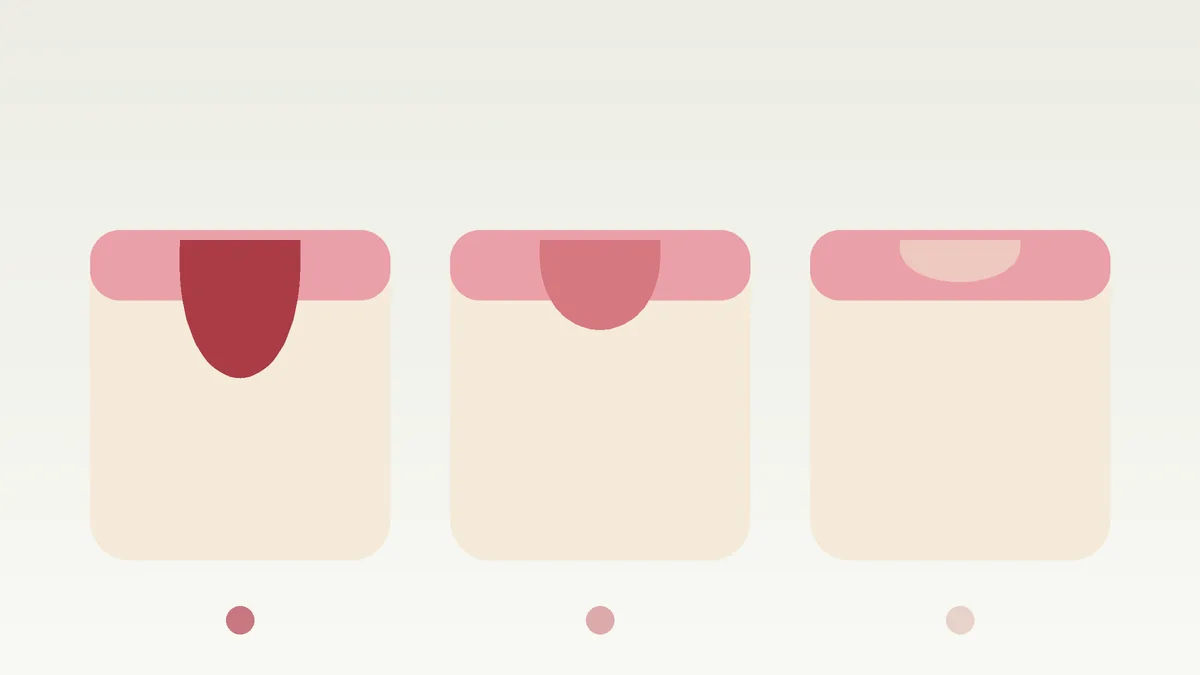
Tooth extraction healing stages follow a set order. A blood clot fills the socket on the first day, soft connective tissue replaces it over the first weeks, and new bone gradually fills the socket over the following months. After wisdom tooth removal, the NHS says pain and swelling usually start to improve after 1 or 2 days, while the jawbone keeps reshaping for up to a year.
What Are the Tooth Extraction Healing Stages?
Healing happens on two levels. The gum surface closes over in weeks, which is when most people feel healed. Underneath, bone formation and reshaping continue much longer.
Tooth extraction healing stages overlap rather than switch on a fixed date. The histology study behind the middle rows found great variability between people in when mineralized bone is laid down. Treat these timings as a guide, not a schedule.
Healing Timeline: From the First Day to the First Year
First 24 hours
The clot is the foundation for everything that follows. Bleeding should slow within the first hours. If it continues, the NHS advises pressing on the area with a clean cloth or cotton wool for at least 10 minutes.
Days 1 to 5
This is when soreness and swelling are most noticeable, and when dry socket usually shows up. Severe pain from dry socket typically begins 1 to 5 days after the extraction.
Weeks 1 to 2
For wisdom teeth, the NHS describes pain, swelling, possible cheek bruising, a sore or stiff jaw and uncomfortable chewing for up to 2 weeks. Dissolvable stitches break down on their own. Recovery after a simple extraction may be different, and less guidance is published for it specifically.
Weeks 2 to 8
The socket fills with granulation tissue, which is then gradually converted into a scaffold for new bone. The gum over the socket closes, although a small dip may remain.
Months 3 to 12
New bone matures and the ridge reshapes. A 2012 systematic review found that, without any grafting, the ridge lost 29% to 63% of its width and 11% to 22% of its height within 6 months, with the fastest change in the first 3 to 6 months. A 12-month study of premolar and molar extractions confirmed that major changes continue during the first year.
What Is Normal While the Socket Heals?
Expected during the first days to 2 weeks:
- tenderness that slowly improves
- some swelling, sometimes with bruising on the cheek
- a stiff jaw and mild discomfort when chewing
- a little blood in your saliva on the first day
Pain that improves and then suddenly becomes much worse is not part of normal healing.
Dry Socket: When It Happens and Who Is at Risk
Dry socket, or alveolar osteitis, happens when the blood clot breaks down or is lost before the socket has healed. The bone underneath is exposed, causing severe pain, often with a bad smell or taste.
Smoking is one of the clearest risk factors. A 2022 systematic review of 11 studies found that smokers had more than three times the odds of dry socket. The combined incidence was about 13.2% in smokers and 3.8% in non-smokers. The included studies covered different teeth and age groups, so treat these figures as estimates. Surgical wisdom tooth extraction carries a different risk profile from a simple extraction.
Aftercare That Supports Each Stage
Good aftercare protects the early tooth extraction healing stages, when the clot is most fragile. The NHS gives these recovery tips after wisdom tooth removal:
- Take paracetamol or ibuprofen for pain, as directed.
- Eat soft or liquid food until chewing is comfortable.
- Rinse gently with mouthwash or warm salt water to keep the wound clean.
- Brush your other teeth carefully, avoiding the extraction site so the clot is not disturbed.
- Do not smoke, as smoking can increase the risk of infection.
- Avoid alcohol and very hot drinks, and hard or crunchy food such as nuts and seeds.
Your dentist may adjust these for your situation. More on the procedure itself is in our glossary entry on tooth extraction.
When Can an Implant Be Placed After Extraction?
Many people have a tooth removed with the plan of replacing it, and implant timing is planned around the tooth extraction healing stages described above. Timing options are usually grouped as:
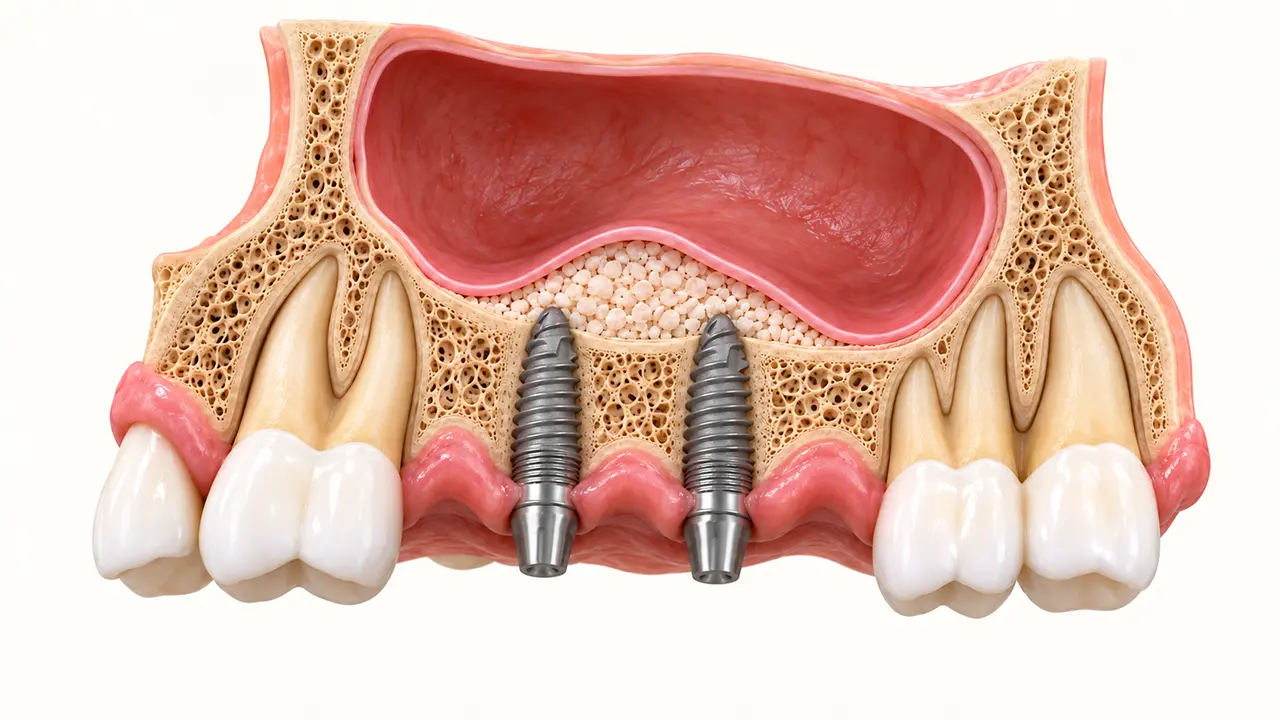
The Cochrane review concluded that the evidence is insufficient to show clear advantages for any one timing. In the upper front and premolar region, a systematic review found gum recession of more than 1 mm at a median of 26% of immediate implant sites, which is why careful case selection matters. Because the ridge shrinks most in the first months, your dentist may also suggest bone grafting or a socket graft to keep enough bone for an implant later.
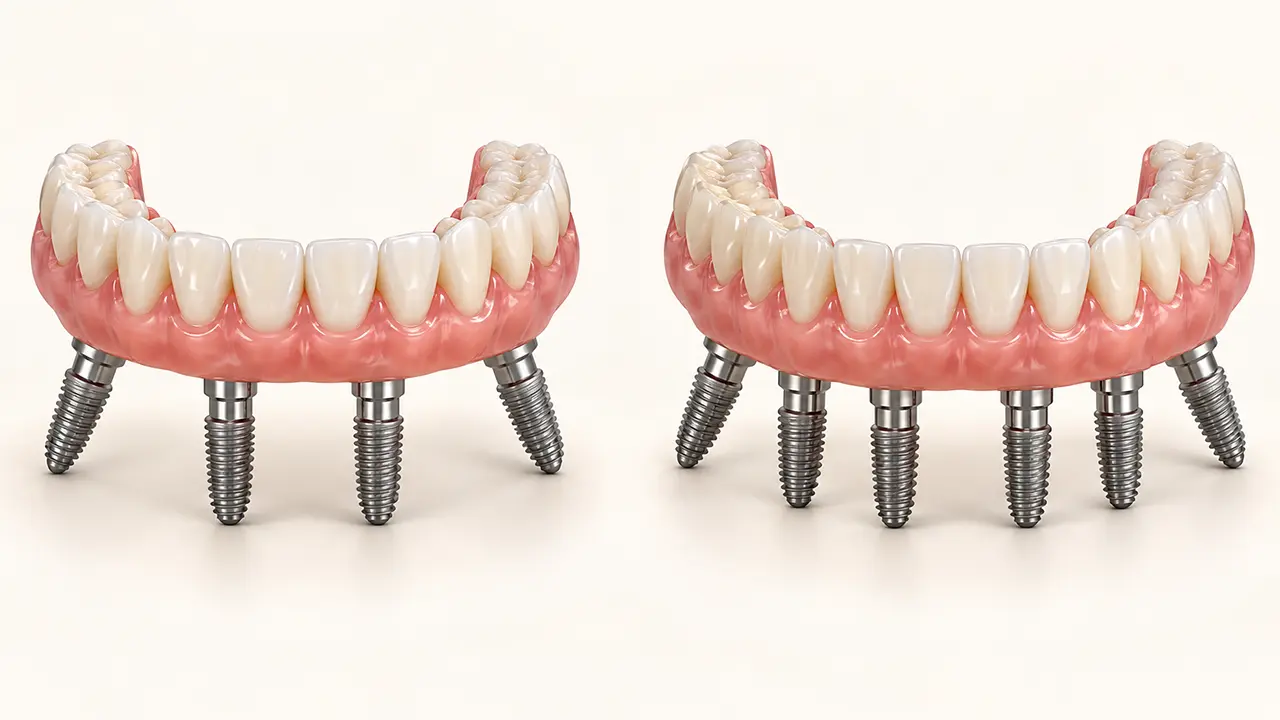
If you are planning a replacement, our page on dental implants turkey explains the implant systems and the two-visit protocol, and our guide to dental implant recovery time covers what follows implant surgery.
Warning Signs After an Extraction
The NHS recommends urgent dental advice if you have:
- bleeding that does not stop
- pain and swelling that are severe or getting worse, and painkillers are not helping
- pain with a bad taste in your mouth, a high temperature or feeling unwell
Numbness of the tongue, lip or chin after a lower wisdom tooth removal should also be reported. The NHS notes it usually improves but can last weeks or months.
Extraction and Implant Planning at Novexdent
The Novexdent dental team reviews photos and X-rays during a free online consultation, so you can discuss your treatment plan, including how a failing or missing tooth could be replaced, before you travel. When an extraction is followed by an implant, the clinic uses 3D jaw scans for planning, and the standard implant protocol includes a healing period of 3 to 6 months at home between visits. You leave with an Aftercare Kit containing medication and hygiene instructions, and a patient coordinator stays in touch after you return home.
Frequently Asked Questions
How long does it take for the hole to close after an extraction?
The gum surface usually closes within the first weeks. Filling the socket with bone takes months, and histology studies show wide variation in when mature bone forms.
When can I eat normally again?
Start with soft or liquid food and return to normal textures as chewing becomes comfortable. Avoid hard, crunchy or seedy foods that could lodge in the socket during the first days.
Can I smoke after a tooth extraction?
It is best not to. Smokers had more than three times the odds of dry socket in a systematic review, and the NHS links smoking to a higher infection risk. Ask your dentist how long to wait.
Does the jawbone always shrink after an extraction?
Some shrinkage is expected when a socket heals on its own, and in studies it affected width more than height. If an implant is planned, ask your dentist whether a socket graft is worth considering.
References
- NHS. Wisdom tooth removal. nhs.uk/tests-and-treatments/wisdom-tooth-removal
- Trombelli L, Farina R, Marzola A, Bozzi L, Liljenberg B, Lindhe J. Modeling and remodeling of human extraction sockets. J Clin Periodontol. 2008;35(7):630–639. doi:10.1111/j.1600-051X.2008.01246.x
- Tan WL, Wong TL, Wong MC, Lang NP. A systematic review of post-extractional alveolar hard and soft tissue dimensional changes in humans. Clin Oral Implants Res. 2012;23(Suppl 5):1–21. doi:10.1111/j.1600-0501.2011.02375.x
- Schropp L, Wenzel A, Kostopoulos L, Karring T. Bone healing and soft tissue contour changes following single-tooth extraction: a clinical and radiographic 12-month prospective study. Int J Periodontics Restorative Dent. 2003;23(4):313–323. PubMed 12956475
- Kuśnierek W, Brzezińska K, Nijakowski K, Surdacka A. Smoking as a risk factor for dry socket: a systematic review. Dent J (Basel). 2022;10(7):121. doi:10.3390/dj10070121
- Esposito M, Grusovin MG, Polyzos IP, Felice P, Worthington HV. Interventions for replacing missing teeth: dental implants in fresh extraction sockets (immediate, immediate-delayed and delayed implants). Cochrane Database Syst Rev. 2010;(9):CD005968. doi:10.1002/14651858.CD005968.pub3
- Chen ST, Buser D. Esthetic outcomes following immediate and early implant placement in the anterior maxilla: a systematic review. Int J Oral Maxillofac Implants. 2014;29(Suppl):186–215. doi:10.11607/jomi.2014suppl.g3.3
LATEST ARTICLES
Beyond the Smile