Dental Implant Recovery Time: Healing Stages and Timeline
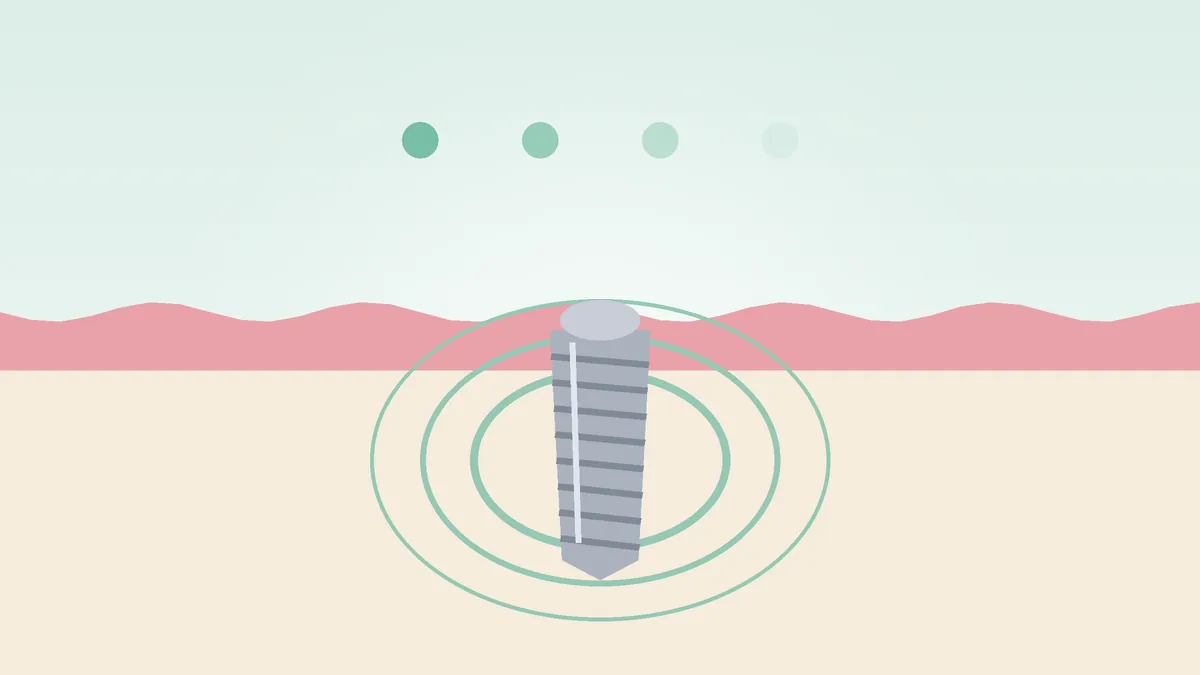
Dental implant recovery time has two parts. Surgical discomfort is usually mild to moderate, peaks in the first 24 hours and fades over the first week in clinical studies. Bone healing takes much longer: with conventional loading, the implant stays free of chewing forces for more than 2 months, and traditional protocols allowed 3 to 8 months. Your own timeline depends on your bone, health and treatment plan.
How Long Is Dental Implant Recovery Time?
It helps to separate how you feel from what is happening in the bone. You may feel back to normal within days, while the implant is still bonding to the jaw for months. Studies measure these two processes differently.
These are group results, not a promise for any one patient. Individual healing varies.
Dental Implant Healing Stages
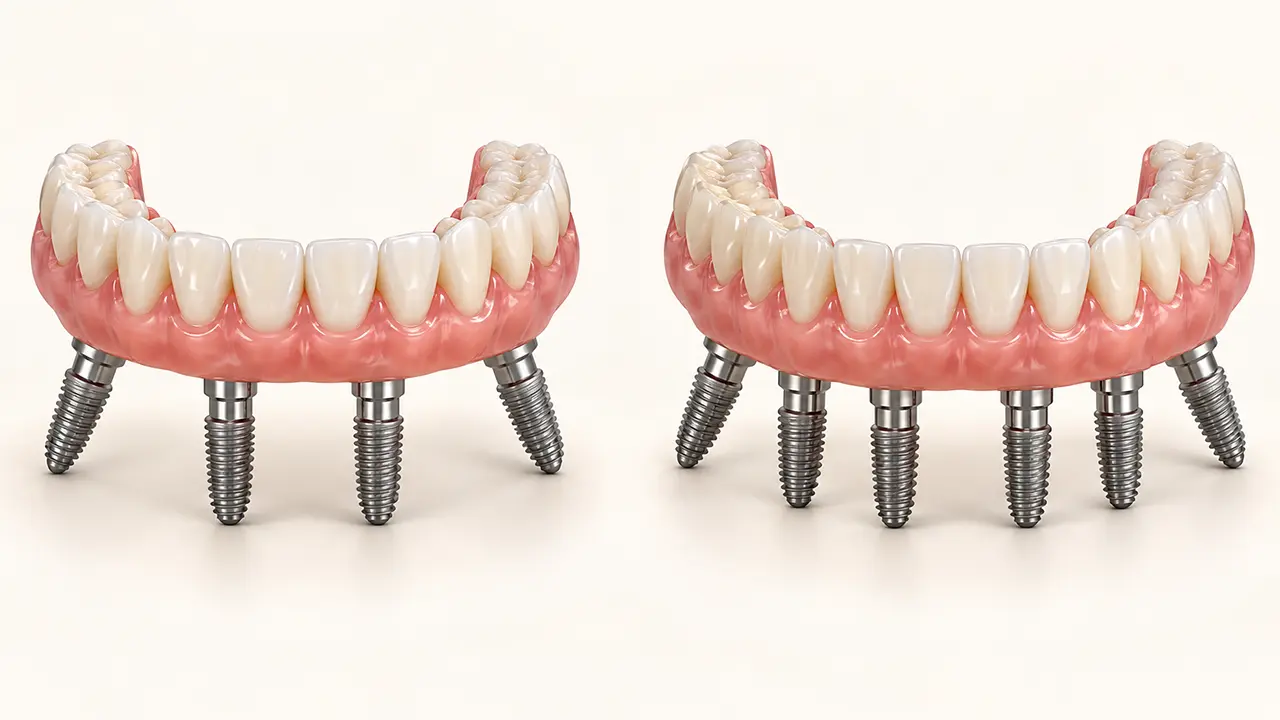
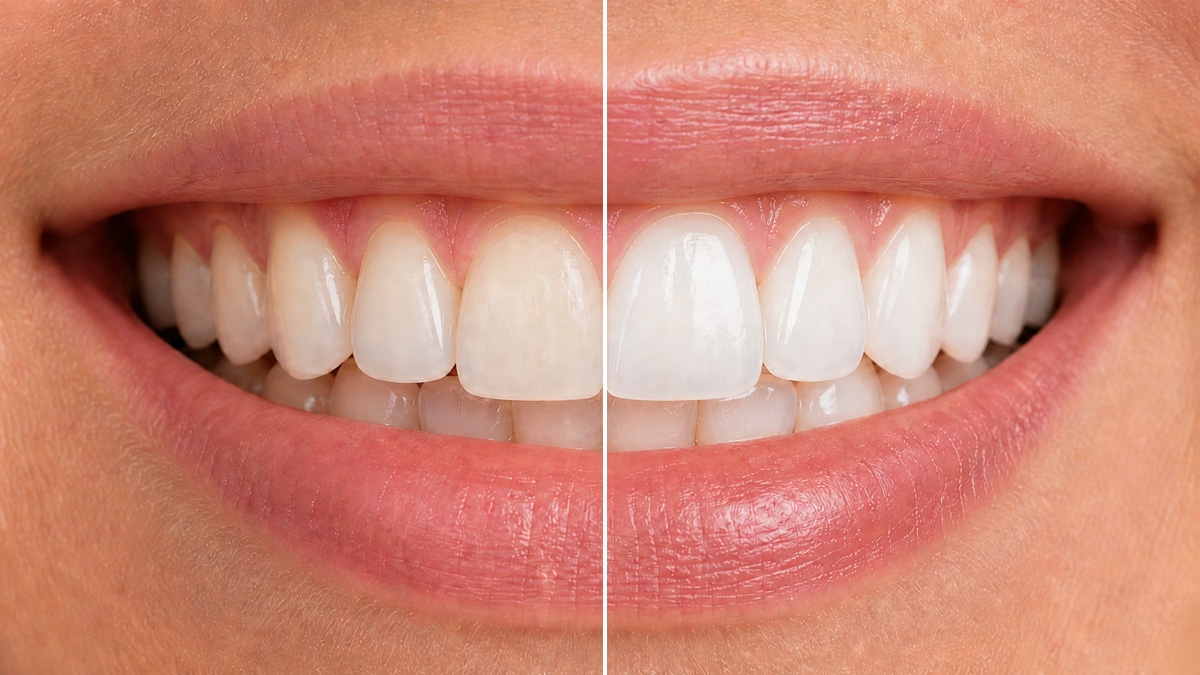
The stages below describe a standard two-stage implant without major bone grafting. If you want to see how implant treatment looks from start to finish, our dental implants before and after results page shows what the treatment stages and results look like.
Stage 1: The first 72 hours
In the Hashem study, worst pain and limits on daily activities were both highest on the first day after surgery. Both had dropped to about half by day 2 or 3. No patient reported high levels of any symptom.
Stage 2: Gum healing
The gum around an implant goes through a short inflammatory phase and then attaches to the implant or abutment surface. Biopsy work shows blood vessel density and immune cells decreasing between 2 and 8 weeks as this tissue matures.
Stage 3: Bone bonding
Osseointegration is the direct bond between living bone and the implant. It starts early but is not finished in a few weeks. This is why dentists usually wait before placing a permanent crown under a conventional protocol.
Stage 4: The final tooth
Once the implant is stable, the abutment and crown are attached. How long that crown and implant then last is a separate question, covered in our guide on how long dental implants last.
What Symptoms Are Normal After Implant Surgery?
Studies describe implant placement as mildly to moderately painful. Most patients in the Hashem study reported mild to moderate effects on daily life, mostly in the first 3 days.
Commonly expected in the first days:
- soreness at the surgical site that improves day by day
- some swelling of the gum or cheek
- light oozing of blood on the first day
- mild difficulty chewing on that side
Surgery that includes bone grafting tends to hurt more. In a 2026 cohort, patients who had a graft placed at the same time as the implant reported higher pain scores (average 4.77 vs 2.93 out of 10), with pain peaking about 4 hours after surgery.
Aftercare During the First Weeks
Your surgeon's written instructions come first. General points most patients receive include:
- Take prescribed or recommended pain relief as directed, ideally before the anesthetic wears off.
- Choose soft food and chew on the other side until your dentist says otherwise.
- Keep the area clean with gentle brushing around, not on, the wound.
- Avoid smoking and vaping while the site heals.
- Rest on the day of surgery and avoid strenuous exercise for the first days.
- Attend every check-up, including the stitch review and X-ray follow-up.
What Can Lengthen Dental Implant Recovery Time?
Bone grafts and sinus lifts
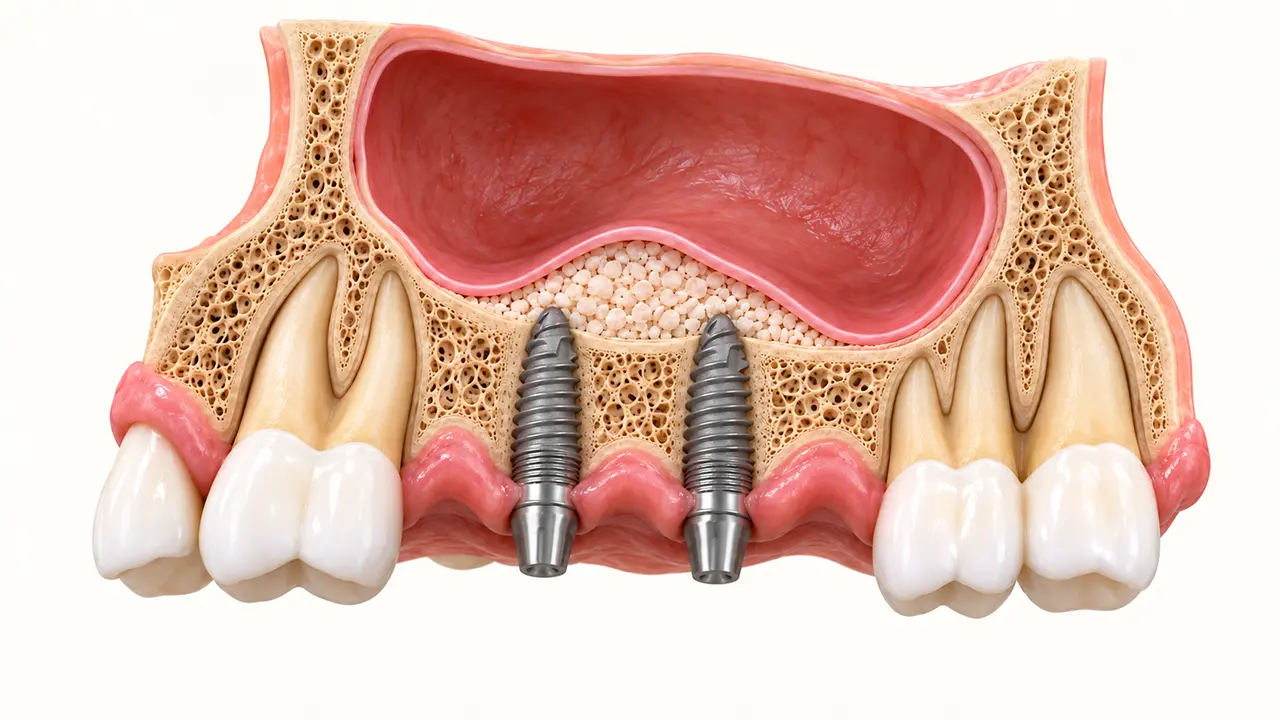
If the jaw lacks bone, a graft or sinus lift for dental implants may be needed before or during implant placement. This adds healing time before the implant can be loaded. The exact extra time depends on the graft type and site, so your surgeon should give you a case-specific estimate. Our overview of dental bone graft cost explains when grafting is used.
Smoking
Smoking does not only slow comfort. A 2015 meta-analysis found that smokers had higher implant failure rates, more postoperative infections and more bone loss around implants. A larger 2021 meta-analysis of over 35,000 implants in smokers found a higher failure risk (odds ratio 2.40) than in non-smokers.
Diabetes
A 2022 meta-analysis reported a higher implant failure risk in people with diabetes (odds ratio 1.78), with failures more likely in type 1 than type 2. Both reviews note confounding factors, so the figures are associations, not proof of cause.
Loading protocol
Immediate loading can shorten the wait for teeth in selected cases. A Cochrane review found no convincing evidence of a clinically important difference in implant or prosthesis failure between immediate, early and conventional loading in the first year. Systematic reviews by Gallucci and colleagues rate conventional loading after late placement as scientifically and clinically validated.
Warning Signs After Implant Surgery
Contact your dentist promptly if you notice:
- bleeding that does not slow with firm pressure
- pain or swelling that gets worse after day 3 instead of better
- fever, pus or a bad taste from the site
- numbness of the lip or chin that persists after the anesthetic should have worn off
- an implant or healing cap that feels loose
Later on, bleeding or swelling around a healed implant can point to peri-implantitis, an inflammation of the tissues around the implant, and needs a check.
Can You Fly After Dental Implant Surgery?
There is no single rule for flying after implant placement; it depends on how extensive the surgery was. After major surgery, such as a sinus lift or multiple implants, Novexdent may recommend resting in Istanbul for 24 to 48 hours before flying. Your surgeon will confirm based on your procedure. Travel plans should fit your dental implant recovery time, not the other way around.
Dental Implant Recovery at Novexdent
Novexdent is a dental clinic in Istanbul that plans implants with 3D jaw scans. The standard protocol has two visits: implant placement over 3 to 5 days, then 3 to 6 months at home for osseointegration, then a second 5 to 7 day visit for the abutment and permanent crown. Immediate loading is considered only in selected cases with enough bone. Before you leave, you receive an Aftercare Kit with medication and hygiene instructions, and a patient coordinator follows up once you are home. Details on implant brands and planning are on our dental implants turkey page.
Frequently Asked Questions
How long does pain last after a dental implant?
In clinical studies, pain is highest in the first 24 hours and drops steadily over the first week. Most patients describe it as mild. Pain that increases after the third day should be checked.
When can I go back to work after implant surgery?
In one study, limits on daily activity had halved by day 2 or 3, so some people feel ready for desk work within days. Physically demanding jobs, multiple implants or grafting may need longer.
Does immediate loading mean faster recovery?
It shortens the time without teeth, not the time bone needs to heal. The implant still integrates over the following weeks, so the temporary tooth usually needs careful, soft-diet use.
How does my dentist know the implant has healed?
Dentists typically check stability, gum health and an X-ray before fitting the final crown. The decision is based on these findings, not on the calendar alone.
Does a bone graft make dental implant recovery time longer?
Usually yes. Grafted bone needs to mature before or while the implant integrates, and grafting can increase early discomfort. Your surgeon will give you a timeline for your specific graft.
References
- Hashem AA, Claffey NM, O'Connell B. Pain and anxiety following the placement of dental implants. Int J Oral Maxillofac Implants. 2006;21(6):943–950. PubMed 17190305
- Al-Khabbaz AK, Griffin TJ, Al-Shammari KF. Assessment of pain associated with the surgical placement of dental implants. J Periodontol. 2007;78(2):239–246. doi:10.1902/jop.2007.060032
- Tomasi C, Tessarolo F, Caola I, Piccoli F, Wennström JL, Nollo G, Berglundh T. Early healing of peri-implant mucosa in man. J Clin Periodontol. 2016;43(10):816–824. doi:10.1111/jcpe.12591
- Lang NP, Salvi GE, Huynh-Ba G, Ivanovski S, Donos N, Bosshardt DD. Early osseointegration to hydrophilic and hydrophobic implant surfaces in humans. Clin Oral Implants Res. 2011;22(4):349–356. doi:10.1111/j.1600-0501.2011.02172.x
- Esposito M, Grusovin MG, Maghaireh H, Worthington HV. Interventions for replacing missing teeth: different times for loading dental implants. Cochrane Database Syst Rev. 2013;(3):CD003878. doi:10.1002/14651858.CD003878.pub5
- Gao X, Zhang X, Wang Y, Deng Y, Wang M. Effect of simultaneous guided bone regeneration on postoperative pain three days after dental implant surgery: a prospective cohort study. J Oral Rehabil. 2026;53(8):1466–1473. doi:10.1111/joor.70199
- Chrcanovic BR, Albrektsson T, Wennerberg A. Smoking and dental implants: a systematic review and meta-analysis. J Dent. 2015;43(5):487–498. doi:10.1016/j.jdent.2015.03.003
- Mustapha AD, Salame Z, Chrcanovic BR. Smoking and dental implants: a systematic review and meta-analysis. Medicina (Kaunas). 2021;58(1):39. doi:10.3390/medicina58010039
- Al Ansari Y, Shahwan H, Chrcanovic BR. Diabetes mellitus and dental implants: a systematic review and meta-analysis. Materials (Basel). 2022;15(9):3227. doi:10.3390/ma15093227
- Gallucci GO, Hamilton A, Zhou W, Buser D, Chen S. Implant placement and loading protocols in partially edentulous patients: a systematic review. Clin Oral Implants Res. 2018;29(Suppl 16):106–134. doi:10.1111/clr.13276
- Gallucci GO, Hamilton A, Akhondi S, Pala K, Peña-Cardelles JF. Current state of evidence for implant placement and loading in partially edentulous patients: a systematic review. Clin Implant Dent Relat Res. 2026;28(1):e70120. doi:10.1111/cid.70120
LATEST ARTICLES
Beyond the Smile