Composite vs Porcelain Veneers: Which Is Right?
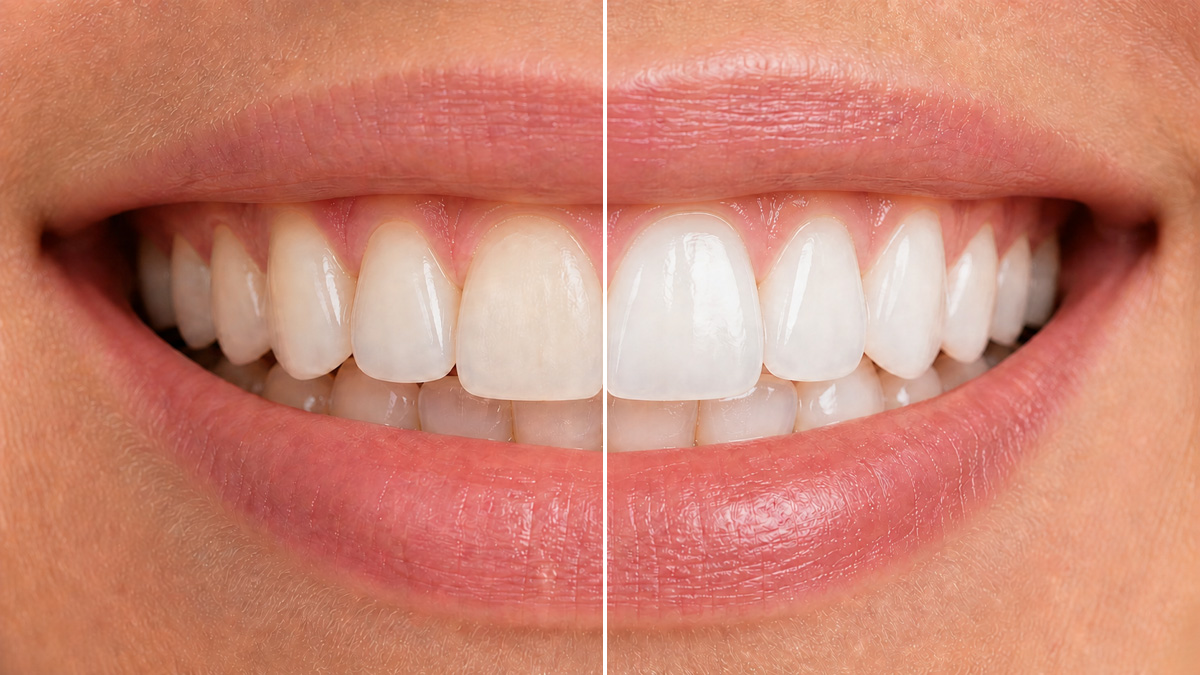
If you want to improve the colour, shape or overall appearance of your teeth, both composite veneers and porcelain veneers can offer effective cosmetic solutions. However, the two treatments differ significantly in material, treatment process, durability, maintenance and cost.
For some patients, composite veneers provide a faster and more conservative way to reshape the smile. For others, porcelain may be more suitable when long-term colour stability, strength and a highly natural finish are priorities.
So, when comparing composite veneers vs porcelain, which option should you choose?
The answer depends on your natural teeth, budget, aesthetic expectations and how much treatment your smile actually requires. In this guide, we compare the two options in detail and explain what to consider before making a decision.
What Are Composite Veneers?
Composite veneers are created using tooth-coloured composite resin, a material that can be bonded directly to the surface of a natural tooth.
The dentist applies the composite material to the tooth, shapes it to create the desired appearance and then hardens it using a specialised light. The surface is subsequently refined and polished.
Composite veneers can be considered for cosmetic concerns such as:
- Small chips
- Uneven tooth edges
- Minor gaps
- Differences in tooth shape or size
- Mild discolouration
- Minor cosmetic asymmetry
- Worn tooth surfaces
Because the material can be sculpted directly onto the tooth, the treatment can often be customised during the appointment.
What Are Porcelain Veneers?
Porcelain veneers are thin ceramic shells that are individually manufactured to fit over the front surface of natural teeth.
Unlike direct composite veneers, porcelain veneers are typically created after impressions or digital scans are taken. The restorations are then produced to match the planned shape, shade and proportions of the smile before being bonded to the teeth.
Ceramic veneers are recognised for their strength and natural-looking surface, while treatment usually involves removing a small amount of enamel to create sufficient space for the restoration.
At Novexdent, porcelain veneer options include E.max lithium disilicate veneers and ultra-thin laminate veneers, with treatment planned around the patient's natural teeth, facial features and smile.
Composite Veneers vs Porcelain: Quick Comparison
The main differences between composite veneers vs porcelain can be summarised as follows:
Neither treatment is automatically better for every patient. The correct choice depends on what needs to be changed and the condition of the natural teeth.
Composite Veneers vs Porcelain: What Is the Main Difference?
The biggest difference is the material and how the restoration is created.
Composite veneers are usually sculpted directly onto the teeth using resin. The dentist controls the shape during treatment and can add, adjust and polish the material immediately.
Porcelain veneers are manufactured separately from the natural tooth, usually using impressions or digital scans. This allows the restoration's shape, surface texture, translucency and colour characteristics to be designed before final placement.
This difference affects almost every other aspect of treatment, including cost, number of appointments, maintenance and long-term appearance.
Composite Bonding vs Veneers: Are They the Same Thing?
The terms composite bonding vs veneers can sometimes cause confusion because both treatments may use composite resin.
Composite bonding generally refers to adding composite material to specific areas of a tooth.
For example, bonding may be used to:
- Repair one chipped corner
- Close a small gap
- Extend a short tooth
- Reshape an uneven edge
A composite veneer generally involves covering a larger portion of the visible front surface of a tooth with composite resin.
In practice, however, the terminology can overlap. Some clinics may describe extensive direct composite bonding across several teeth as composite veneers.
Porcelain veneers are different because the ceramic restoration is created separately and then bonded to the tooth.
Therefore, when comparing composite bonding vs veneers, it is important to ask exactly what treatment is being proposed rather than relying only on the treatment name.
Composite Veneers Cost: Are They Cheaper Than Porcelain?
For patients comparing cosmetic dental treatments, composite veneers cost is often one of the deciding factors.
Composite treatment commonly has a lower initial cost than porcelain treatment. One reason is that composite can often be applied directly by the dentist without requiring the same external ceramic manufacturing process.
The exact price, however, varies considerably according to:
- Number of teeth
- Complexity of the smile design
- Amount of composite required
- Dentist experience
- Geographic location
- Whether additional dental treatment is required
- Level of finishing and polishing involved
Porcelain veneers generally have a higher initial treatment cost because each restoration must be individually manufactured and fitted.
However, comparing only the upfront price does not provide the complete picture.
Composite veneers may require additional polishing, repairs or replacement over time because composite resin is generally less stain-resistant and wear-resistant than ceramic. The ADA specifically notes that composite resin veneers are easier to repair but are not generally as resistant to staining or wear as ceramic veneers.
Therefore, patients should consider both the initial treatment cost and expected long-term maintenance.
Which Looks More Natural: Composite or Porcelain Veneers?
Both materials can produce natural-looking results when treatment is carefully planned.
Composite resin is available in multiple shades and can be layered and polished to match surrounding teeth. The quality of the result depends heavily on the clinician's ability to reproduce natural tooth shape, surface texture and proportions.
Porcelain offers additional possibilities for reproducing characteristics found in natural enamel, particularly translucency and subtle shade variations.
This is one of the reasons porcelain is often preferred for extensive smile makeovers where several highly visible front teeth are being treated.
Novexdent's porcelain veneer treatments, for example, use individually designed restorations with colour and surface characteristics planned to resemble natural enamel.
However, "more natural" does not simply mean choosing porcelain.
An excessively white, large or uniform porcelain veneer can look less natural than well-executed composite bonding. Treatment planning, tooth proportions, colour selection and the skill of the dental team remain important regardless of material.
Which Is More Stain Resistant?
Porcelain veneers generally offer better resistance to staining than composite resin.
Composite material can gradually develop surface staining or lose some of its original polish, particularly with frequent exposure to strongly pigmented foods and drinks.
Coffee, tea, red wine and smoking can all influence the long-term appearance of dental restorations.
Composite veneers may therefore benefit from periodic professional polishing.
Ceramic veneers provide greater colour stability. The ADA describes ceramic veneers as strong and long-lasting, while noting that composite resin is not generally as stain-resistant as ceramic.
For patients whose priority is maintaining a stable shade over a longer period, porcelain may therefore have an advantage.
Which Is Stronger: Composite or Porcelain?
Porcelain veneers generally provide greater wear resistance than composite resin.
Composite remains a useful restorative material, but because it can be repaired and reshaped relatively easily, small chips or surface changes can often be corrected without replacing the entire restoration.
Porcelain is stronger and more wear-resistant but is not indestructible.
Both composite and porcelain veneers can chip or become damaged when exposed to excessive force. The ADA advises that veneers can chip, crack, wear or come loose over time and that patients should avoid habits such as chewing hard objects.
Patients who grind or clench their teeth should discuss this with their dentist before treatment because excessive bite forces can increase the risk of damage.
Which Treatment Requires More Tooth Preparation?
One of the potential advantages of composite veneers is that they may require less preparation of the natural tooth.
Depending on the existing position and shape of the tooth, composite material can sometimes be added with minimal reduction of natural enamel.
The ADA notes that composite resin veneers may require less enamel removal than ceramic veneers.
Porcelain veneers commonly require some enamel preparation to provide space for the ceramic restoration, although the amount varies considerably between patients and veneer types.
Not every porcelain veneer requires extensive drilling.
For example, Novexdent states that its laminate veneers may require very limited preparation in appropriate cases, while some teeth may require little or no preparation depending on their position and treatment plan.
The goal should therefore be to select the most conservative treatment that can realistically achieve the desired result.
How Long Does Composite Veneer Treatment Take?
One advantage of composite veneers is treatment speed.
Because the resin can be applied and sculpted directly onto the teeth, some composite veneer treatments can be completed during a single appointment.
The process generally includes:
- Examining the teeth and bite
- Selecting the appropriate shade
- Preparing or reshaping the tooth if necessary
- Applying composite resin
- Sculpting the material
- Hardening it with a specialised light
- Finishing and polishing the restoration
Cases involving several teeth or more extensive smile design may require additional planning or appointments.
How Does the Porcelain Veneer Process Work?
Porcelain treatment generally requires more stages because the veneers must be individually manufactured.
The process may include:
Consultation and Assessment
The dentist evaluates the teeth, gums and bite to determine whether veneers are appropriate.
Any active dental problems should be addressed before cosmetic veneer treatment begins.
Smile Planning
The desired tooth shape, proportions and shade are planned according to the patient's existing smile and facial characteristics.
Tooth Preparation
A small amount of enamel may be removed where necessary to create space for the veneer.
Digital Scan or Impression
Measurements are taken so the veneers can be manufactured accurately.
Laboratory Production
The veneers are individually produced according to the treatment plan.
Trial and Final Bonding
Each restoration is checked for fit, colour and appearance before permanent bonding.
At Novexdent, the porcelain veneer process includes digital smile planning, preparation when needed, custom ceramic production and final fit and bite evaluation before bonding.
Can Composite Veneers Be Repaired?
Yes. Repairability is one of the main advantages of composite resin.
If a small part of a composite veneer chips, additional resin can often be added and polished rather than replacing the entire restoration.
The ADA identifies easier repair as one of the benefits of composite resin veneers.
Porcelain restorations are more difficult to modify extensively once manufactured. Small adjustments may be possible, but significant fractures can sometimes require replacement of the veneer.
For patients who prioritise ease of repair, this may make composite an attractive option.
Do Composite Veneers Need Maintenance?
All cosmetic dental restorations require maintenance.
Composite veneers may require more frequent aesthetic maintenance because the material can gradually become stained, lose surface gloss or develop small areas of wear.
Maintenance may include:
- Professional polishing
- Repairing small chips
- Refinishing the edges
- Correcting surface staining
- Replacing individual restorations when necessary
Regular brushing, interdental cleaning and dental examinations remain important because natural teeth can still develop decay around or underneath veneers.
Porcelain veneers also require routine dental care, even though the ceramic surface itself is generally more stain-resistant.
Composite Veneers vs Porcelain for a Full Smile Makeover
When only one or two teeth require small cosmetic corrections, composite bonding can provide a practical and conservative solution.
The decision becomes more complex when a patient wants to transform a larger number of visible teeth.
For a full smile makeover, the dentist must consider:
- Overall tooth proportions
- Existing tooth colour
- Number of visible teeth
- Alignment
- Bite
- Gum position
- Desired shade
- Long-term maintenance expectations
- Amount of natural enamel available
Composite can be used across several teeth, but larger cases require significant artistic control to maintain consistent shape, colour and symmetry.
Porcelain veneers may provide greater control over colour stability, translucency and the individual shape of multiple restorations, which can make them suitable for more extensive cosmetic transformations.
At Novexdent, porcelain veneers are individually colour-matched and shaped according to the patient's facial features rather than using the same appearance for every smile.
Composite Veneers: Pros and Cons
Advantages of Composite Veneers
Composite veneers may offer:
- Less tooth preparation in suitable cases
- Faster treatment
- Fewer appointments
- Lower initial treatment cost
- Easier repair
- Ability to make small changes directly in the mouth
- A conservative option for minor cosmetic concerns
Disadvantages of Composite Veneers
Potential disadvantages include:
- Lower stain resistance than ceramic
- Lower wear resistance
- Greater need for polishing and maintenance
- Possible chipping
- Surface appearance may change over time
- Highly aesthetic results depend heavily on clinician technique
The balance between these advantages and disadvantages should be considered according to the individual patient's priorities.
Porcelain Veneers: Pros and Cons
Advantages of Porcelain Veneers
Porcelain veneers may offer:
- High stain resistance
- Strong wear resistance
- Natural-looking translucency
- Stable colour
- Detailed laboratory-controlled shape and surface texture
- Suitability for larger smile transformations
The ADA describes ceramic veneers as strong, long-lasting and natural-looking.
Disadvantages of Porcelain Veneers
Potential disadvantages include:
- Higher initial cost
- More treatment stages
- Laboratory production may be required
- Some enamel preparation may be necessary
- Significant damage may require replacement rather than simple repair
As with composite treatment, suitability should be determined after examining the natural teeth.
Composite Veneers or Porcelain: Which Is Better for You?
There is no universal winner in the composite veneers vs porcelain comparison.
Composite veneers may be more suitable if you:
- Have relatively minor cosmetic concerns
- Want to minimise tooth preparation
- Prefer a lower initial treatment cost
- Want treatment completed relatively quickly
- Want a restoration that can be repaired easily
Porcelain veneers may be more suitable if you:
- Want to change several visible teeth
- Prioritise stain resistance
- Want greater long-term colour stability
- Are looking for highly customised translucency and surface texture
- Prefer a ceramic restoration
- Are comfortable with a higher initial investment
The choice should ultimately be based on a clinical examination rather than price or appearance alone.
When Might Veneers Not Be the Right Treatment?
Not every cosmetic concern needs veneers.
Depending on the condition of the teeth, alternatives may include:
- Teeth whitening
- Orthodontic treatment
- Composite bonding
- Dental crowns
- Restorative treatment
- No treatment
Veneers should generally be considered only after the teeth and gums have been assessed. The ADA advises that existing dental disease or decay should be treated before veneers are placed.
Patients with significant grinding, clenching or certain bite problems may also require additional evaluation because veneers can be exposed to excessive forces.
Frequently Asked Questions About Composite Veneers
What are composite veneers?
Composite veneers are cosmetic restorations created using tooth-coloured composite resin. The material is bonded and shaped directly onto the tooth to alter its colour, size, shape or proportions.
What is the difference between composite bonding and veneers?
When comparing composite bonding vs veneers, the difference is mainly the amount of the tooth being treated. Bonding may involve adding composite to one specific area, while a composite veneer generally covers more of the visible front surface. However, the terms are sometimes used interchangeably.
How much do composite veneers cost?
Composite veneers cost varies depending on the clinic, number of teeth, complexity of the treatment and location. Composite treatment typically requires fewer production stages than porcelain, but patients should obtain an individual treatment plan rather than comparing treatments based only on advertised per-tooth prices.
Are composite veneers cheaper than porcelain?
Composite veneers generally have a lower initial treatment cost than porcelain veneers. However, composite may require more polishing, repair or maintenance over time because it is less resistant to staining and wear than ceramic.
Do composite veneers stain?
Composite resin can develop surface staining over time and is generally less stain-resistant than ceramic veneers. Regular dental care and professional polishing can help maintain their appearance.
Can composite veneers chip?
Yes. Composite veneers can chip or wear, particularly when exposed to excessive bite forces. One advantage is that damaged composite can often be repaired relatively easily.
Can composite veneers be removed?
Whether composite can be removed without affecting the underlying tooth depends on how the tooth was prepared before treatment. If enamel has been removed, the procedure should not be considered fully reversible.
Are porcelain veneers better than composite veneers?
Not necessarily. Porcelain offers advantages in strength, stain resistance and colour stability, while composite can offer advantages in treatment speed, repairability, initial cost and conservative preparation. The best choice depends on the patient.
LATEST ARTICLES
Beyond the Smile