Sinus Lift for Dental Implants: Procedure & Cost | Novexdent
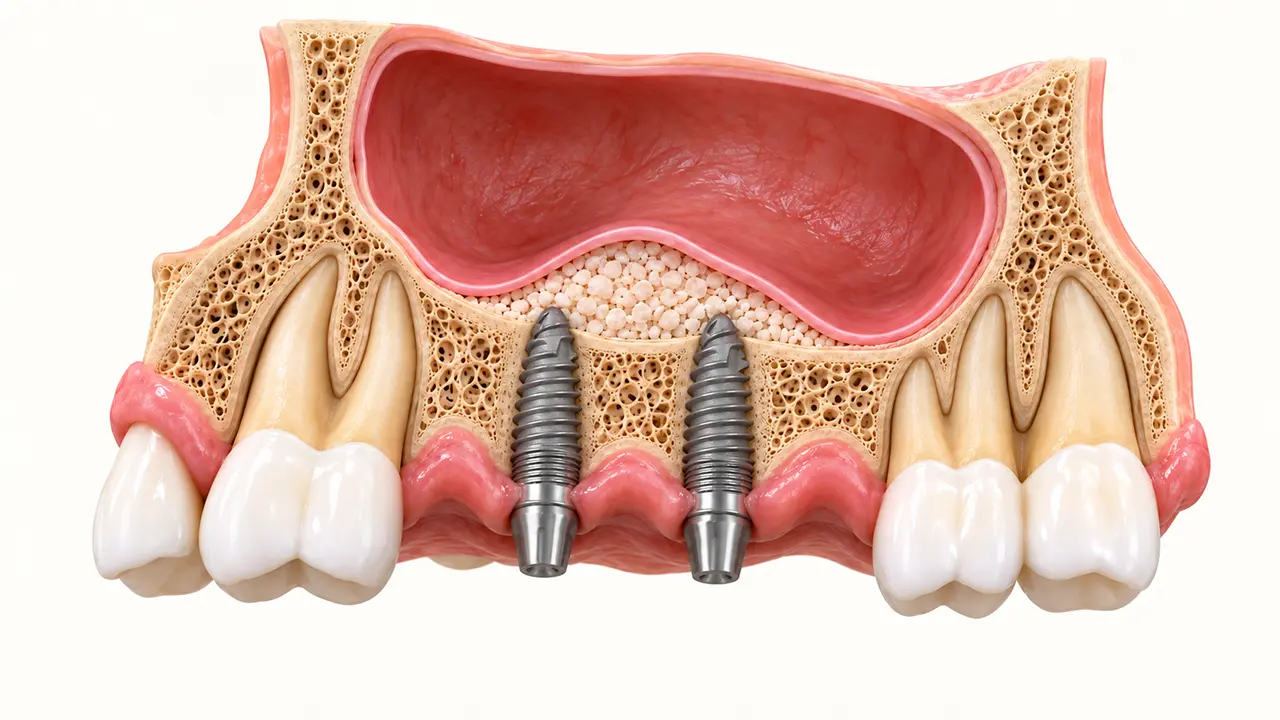
A sinus lift is a surgical procedure that increases the amount of bone available in the upper jaw to support dental implants. It is commonly recommended when the bone beneath the maxillary sinus is too thin or insufficient to securely hold an implant.
Also known as sinus augmentation, the procedure involves gently lifting the sinus membrane and creating space for bone graft material. As the graft integrates with the surrounding jawbone, it can provide a stronger foundation for future implant placement.
For patients considering dental implants, understanding when a sinus lift is necessary, how the procedure works, and what recovery involves can help them make informed treatment decisions.
What Is a Sinus Lift?
A sinus lift, medically referred to as maxillary sinus floor augmentation, is a bone augmentation procedure performed in the back of the upper jaw.
The maxillary sinuses are air-filled cavities located above the upper premolars and molars. When teeth in this region are lost, the surrounding jawbone may gradually shrink. The sinus can also expand into the space previously occupied by bone, leaving insufficient bone height for dental implants.
During sinus lift surgery, a dental surgeon carefully elevates the membrane lining the sinus and creates additional space between the sinus floor and the existing jawbone. This space is generally filled with bone graft material to encourage new bone formation.
The objective is not to treat the sinus itself but to develop sufficient bone volume for dental implant placement.
Sinus augmentation may be performed before dental implant surgery or during the same appointment, depending on the existing bone structure and the stability achievable for the implant.
Why Is a Sinus Lift Needed for Dental Implants?
Dental implants require sufficient surrounding bone to provide initial stability and support long-term integration with the jaw.
The upper posterior jaw presents particular challenges because the bone is often less dense than in other areas of the mouth, and the maxillary sinus lies directly above the potential implant sites.
A sinus lift for implant placement may be required for several reasons:
- Bone loss following tooth extraction: After an upper molar or premolar is removed, the jawbone gradually undergoes resorption.
- Sinus expansion: The maxillary sinus may enlarge after tooth loss, reducing the available bone height.
- Periodontal disease: Advanced gum disease can damage the tissues and bone supporting the teeth.
- Natural anatomical differences: Some patients have naturally large sinus cavities or insufficient upper jawbone height.
- Long-term tooth loss: Leaving missing teeth untreated for extended periods may contribute to progressive bone resorption.
Without adequate bone, placing a conventional implant may be difficult or increase the risk of complications.
By increasing the available bone height, sinus augmentation can make implant treatment possible in cases where the existing anatomy would otherwise limit placement.
However, not every patient with upper jawbone loss requires sinus lift surgery. The decision depends on the available bone, implant dimensions, treatment plan, and clinical assessment.
Who Needs Sinus Lift Surgery?
Sinus lift surgery is most commonly considered for patients who require dental implants in the upper premolar or molar regions but have insufficient bone beneath the maxillary sinus.
Potential candidates include individuals who:
- Have lost one or more upper back teeth.
- Have experienced significant bone resorption following tooth loss.
- Have insufficient bone height for conventional implant placement.
- Have a naturally low sinus floor.
- Require additional bone support for a planned implant restoration.
Before recommending treatment, the dentist evaluates the patient's oral health, medical history, sinus condition, and available bone structure.
A cone-beam computed tomography (CBCT) scan may be used to examine the sinus anatomy and measure the remaining bone height. This three-dimensional imaging can help determine whether sinus augmentation is necessary and which surgical approach is appropriate.
Patients with active sinus infections, uncontrolled periodontal disease, or certain medical conditions may require additional treatment or specialist assessment before surgery.
The suitability of sinus lifting should always be determined through an individual clinical evaluation rather than tooth loss alone.
Types of Sinus Lift Procedures
There are two commonly used approaches to sinus augmentation: lateral window sinus lift and crestal (internal) sinus lift.
Both techniques aim to increase the available bone height in the upper jaw, but they differ in surgical access, the amount of bone augmentation generally achievable, and their clinical indications.
Lateral Window Sinus Lift
A lateral window sinus lift, sometimes called an open sinus lift, involves creating a small opening in the outer wall of the upper jawbone.
Through this opening, the surgeon carefully lifts the sinus membrane and places bone graft material beneath it.
This technique is commonly considered when substantial bone augmentation is required or when the existing bone height is particularly limited.
Dental implants may be placed during the same surgery when sufficient initial stability is possible. Otherwise, implant placement is postponed until the grafted area has adequately healed.
Crestal (Internal) Sinus Lift
A crestal sinus lift, also known as a transcrestal or internal sinus lift, accesses the sinus floor through the implant preparation site rather than through a separate opening in the side of the jaw.
The surgeon gently elevates the sinus membrane using instruments designed for this approach. Depending on the clinical technique and anatomical conditions, bone graft material may also be placed.
This method is generally considered when a relatively small increase in bone height is required and enough existing bone remains to provide implant stability.
In suitable cases, the sinus lift and dental implant placement can be completed during the same appointment.
Learn more in our planned article, Crestal Sinus Lift: Procedure, Benefits & Recovery.
The appropriate approach depends on the amount of available bone, sinus anatomy, implant requirements, and the surgeon's clinical judgment.
How Is Sinus Lift Surgery Performed?
Although the surgical steps vary according to the technique used, sinus lift surgery generally follows a structured process.
1. Clinical examination and imaging
The dentist evaluates the patient's upper jawbone, missing teeth, periodontal health, and sinus anatomy. Dental imaging, particularly CBCT when indicated, helps establish the treatment plan.
2. Local anesthesia
Sinus augmentation is commonly performed under local anesthesia. Additional sedation may be considered depending on the patient's needs, the complexity of surgery, and the clinic's available facilities.
3. Accessing the sinus floor
Depending on the selected technique, the surgeon accesses the sinus through a small lateral bone window or through the implant preparation site.
4. Lifting the sinus membrane
The thin membrane lining the maxillary sinus is carefully elevated to create additional space above the existing jawbone.
5. Bone graft placement
Bone graft material is commonly introduced into the newly created space. The graft may consist of processed human bone, animal-derived material, synthetic substitutes, or the patient's own bone, depending on clinical requirements.
6. Closing the surgical area
For a lateral approach, the gum tissue is repositioned and secured with sutures. In suitable cases, a dental implant may also be inserted during the procedure.
7. Healing and follow-up
The treated area is monitored while the bone graft integrates with the surrounding bone. Further imaging or examinations may be required before proceeding with implant placement.
The procedure is usually completed as an outpatient treatment, although the duration and surgical complexity vary between patients.
Sinus Lift Recovery Time and Aftercare
Recovery after sinus lift surgery involves two separate stages: the initial healing of the surgical tissues and the longer process of bone graft maturation.
Most patients experience some swelling, tenderness, and mild discomfort during the first few days. Bruising around the cheek may also occur.
Initial soft-tissue recovery commonly takes approximately one to three weeks, while bone graft integration generally requires several months.
The exact healing period depends on the surgical approach, the extent of augmentation, individual healing capacity, and any additional procedures performed.
What to Expect During Recovery
These timelines are approximate and should not replace individual postoperative instructions.
Aftercare Instructions Following a Sinus Lift
Following the surgeon's instructions is essential for protecting the surgical area and supporting healing.
Common recommendations include:
- Avoid blowing your nose for the period specified by your surgeon, often around two weeks.
- If you need to sneeze, keep your mouth open to reduce sinus pressure.
- Avoid smoking and nicotine use during recovery.
- Avoid strenuous physical activity until your clinician confirms it is safe.
- Maintain oral hygiene while protecting the surgical site.
- Eat softer foods during the initial healing period when recommended.
- Take prescribed medications according to your dentist's instructions.
- Attend scheduled postoperative examinations.
Air travel, diving, and activities involving significant pressure changes may require additional restrictions depending on the procedure and recovery.
Contact your surgeon if you experience persistent or worsening pain, fever, unusual nasal discharge, continuous bleeding, or increasing swelling.
Sinus Lift Risks and Possible Complications
Sinus augmentation is an established procedure in implant dentistry, but it involves surgical risks that patients should understand before treatment.
Potential complications include:
Sinus membrane perforation
A tear in the sinus membrane is one of the most recognized complications of sinus lift surgery. Small perforations can sometimes be repaired during the procedure, while more extensive tears may require postponing treatment.
Infection
As with other oral surgical procedures, infection can develop around the treated area. Certain cases may involve the maxillary sinus and require additional medical or surgical management.
Bleeding and swelling
Temporary bleeding, facial swelling, and bruising are relatively common after surgery. Excessive or persistent symptoms require professional assessment.
Graft-related complications
The graft may not develop sufficient bone volume, may become exposed, or may require further intervention before dental implant placement.
Sinus-related symptoms
Patients may experience temporary sinus pressure, congestion, or discomfort. Persistent symptoms should be evaluated by the treating clinician.
The risk of complications can be influenced by smoking, existing sinus disease, periodontal health, surgical complexity, and individual anatomical factors.
An appropriate preoperative assessment and carefully planned surgical technique help manage these risks, although no procedure can guarantee a complication-free outcome.
How Long After a Sinus Lift Can You Get Dental Implants?
The waiting period between sinus lift surgery and dental implant placement depends primarily on the amount and quality of existing bone.
In some patients, implants can be placed immediately during sinus augmentation. This approach requires sufficient residual bone to achieve adequate initial implant stability.
When existing bone is insufficient, the surgeon may recommend a staged procedure.
In staged treatment, the sinus lift is performed first, followed by a healing period that commonly lasts approximately four to nine months. Some patients may require a longer interval.
During this time, the grafted material gradually becomes incorporated into the surrounding bone.
Once adequate bone formation has been confirmed, dental implants can be placed.
The implants then require their own healing period for osseointegration, the biological process through which bone establishes direct contact with the implant surface.
Patients planning treatment abroad should understand that sinus augmentation and final implant restoration may require separate visits.
For more information about implant treatment, explore Dental Implants in Turkey.
How Much Does a Sinus Lift Cost in Turkey?
The cost of sinus lift surgery in Turkey varies according to the surgical technique, amount of bone graft material required, complexity of the procedure, and the clinic providing treatment.
Published 2026 price guides show considerable variation. Some providers advertise approximately €200–€650 per side for sinus augmentation, while other Istanbul treatment listings quote higher amounts depending on the scope of treatment.
These figures are general market references rather than confirmed Novexdent prices. They should not be interpreted as quotations for an individual patient.
Several factors influence the total treatment cost.
Patients should also confirm whether their quoted treatment includes graft materials, surgical fees, medication, imaging, implants, abutments, and final crowns.
A lower advertised price does not necessarily indicate a lower total cost when additional procedures or multiple visits are required.
The most reliable way to estimate the cost is through an individualized treatment plan based on clinical examination and appropriate imaging.
Sinus Lift Surgery in Turkey: What to Consider
Patients exploring sinus lifting in Turkey should evaluate more than the advertised procedure price.
Sinus augmentation is a surgical treatment that requires careful diagnosis, anatomical assessment, and an appropriate restorative plan.
Before choosing a dental clinic, consider the following factors.
Clinical qualifications and experience
Ask about the qualifications of the dental surgeon performing sinus augmentation and their experience with implant-related bone grafting procedures.
Diagnostic imaging
A suitable treatment plan should account for the available bone height, maxillary sinus anatomy, and potential underlying conditions.
Treatment timeline
Clarify whether implants can be placed during the sinus lift or whether an additional surgical visit will be required after graft healing.
Transparent pricing
Request a written breakdown of treatment costs, including diagnostic imaging, graft material, implant components, and follow-up care.
Postoperative support
Patients returning to their home country should understand how complications will be managed, how healing will be monitored, and what follow-up appointments are necessary.
Long-term restorative planning
The sinus lift should form part of a comprehensive dental implant plan rather than being considered an isolated procedure.
At Novexdent, patients interested in dental implant treatment can request an individual assessment to discuss their treatment needs and determine whether additional procedures, including sinus augmentation, may be appropriate.
A final recommendation should only be made following suitable clinical evaluation.
Frequently Asked Questions About Sinus Lift Surgery
Is sinus lift surgery painful?
Sinus lift surgery is generally performed under local anesthesia, so patients should not experience sharp pain during the procedure. Pressure or movement may still be noticeable. Some discomfort, swelling, and tenderness are expected afterward and can usually be managed with the postoperative treatment recommended by the dentist.
How successful is a sinus lift?
Sinus augmentation is a well-established technique for increasing bone availability before dental implant placement. Many patients achieve sufficient bone formation to proceed with implants. However, results depend on factors such as surgical technique, bone condition, smoking status, graft integration, and overall oral health. A successful graft also does not guarantee the long-term success of the subsequent implant.
Can a sinus lift and dental implant be done at the same time?
Yes. In suitable cases, dental implants can be placed during sinus lift surgery. This is generally possible when enough existing bone is available to provide initial implant stability. If the residual bone is insufficient, a staged approach may be recommended, allowing the grafted area to heal before implant placement.
What is the difference between a sinus lift and a bone graft?
A bone graft is a broader procedure that involves adding bone or bone-substitute material to an area requiring additional support. A sinus lift is a specific type of bone augmentation performed in the upper posterior jaw, where the sinus membrane is elevated to increase the available bone height for dental implants. Therefore, sinus lifting commonly involves bone grafting, but not every dental bone graft requires a sinus lift.
Are there alternatives to sinus lift surgery?
Depending on the patient's anatomy and restorative requirements, alternatives may include shorter implants, angled implants, or different implant placement positions. In some situations, dental bridges or removable dentures may also be considered. These approaches are not suitable for every patient and have their own limitations. A dentist must evaluate the available bone and treatment objectives before recommending an alternative.
How long does sinus augmentation last?
The bone created through successful sinus augmentation is intended to provide long-term support for dental implants. However, bone remodeling continues throughout life, and the amount of maintained bone varies between patients. Long-term results depend on oral health, implant loading, periodontal maintenance, and individual biological factors. Regular dental examinations remain important even after successful implant restoration.
Medical References
- American Academy of Periodontology. Sinus Augmentation.
https://www.perio.org/for-patients/periodontal-treatments-and-procedures/dental-implant-procedures/sinus-augmentation/ - Cambridge University Hospitals NHS Foundation Trust. Sinus Lift Procedures.
https://www.cuh.nhs.uk/patient-information/sinus-lift-procedures/ - American Academy of Periodontology. Dental Implant Procedures.
https://www.perio.org/for-patients/periodontal-treatments-and-procedures/dental-implant-procedures/
Medical disclaimer: This article is intended for general educational purposes and does not replace personalized dental advice, diagnosis, or treatment. Sinus lift suitability, surgical approach, and recovery requirements must be evaluated by a qualified dental professional.
LATEST ARTICLES
Beyond the Smile