Let your
journey start
in ISTANBUL
journey start
in ISTANBUL
in ISTANBUL
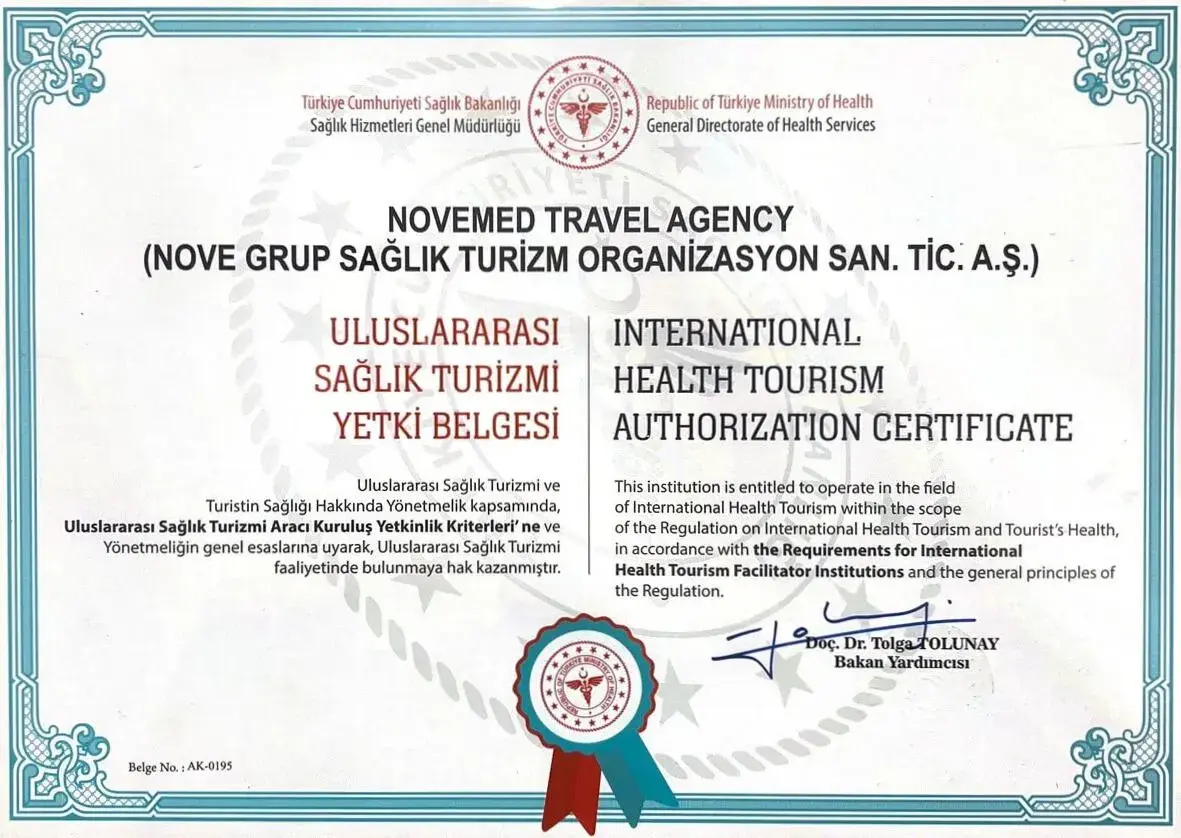
NOVE GRUP SAĞLIK TURİZM ORGANİZASYON SAN. TİC. A.Ş.
E-MAIL
INFO@NOVEXDENT.COMPHONE
+90(549) 680 15 34Whatsapp chat available
Tooth extraction is the removal of a tooth from its socket in the jawbone. A simple extraction is used for a tooth that is fully visible in the mouth and can be loosened and lifted out under local anaesthetic. A surgical extraction involves opening the gum and sometimes removing bone or dividing the tooth, and is used for broken-down or impacted teeth.
Dentists try to keep natural teeth, so extraction is reserved for teeth that cannot be predictably restored. Once a tooth is removed, the neighbouring teeth can drift into the space and the alveolar bone that held the tooth gradually shrinks. For this reason, how the gap will be managed — for example with a dental implant, bridge or partial denture — is best planned before the extraction.
Once the numbness has worn off, choose soft, lukewarm or cool foods such as yogurt, soup and mashed vegetables, and chew on the other side. Avoid hot drinks and hard, crunchy or seeded foods for the first few days.
Protect the blood clot: avoid smoking, vigorous rinsing or spitting, and drinking through a straw during the first days, and follow the aftercare instructions you are given.
Not every extracted tooth must be replaced (wisdom teeth are the usual exception), but replacing missing teeth helps maintain chewing function, prevents drifting of neighbouring teeth and, with implants, helps maintain bone volume.
Beyond the Smile
We use cookies to personalise content, ads and to analyse our traffic. We also share information about your use of our site with our advertising and analytics partners who may combine it with other information that you’ve provided to them or that they’ve collected from your use of their services. Cookie Policy