Let your
journey start
in ISTANBUL
journey start
in ISTANBUL
in ISTANBUL
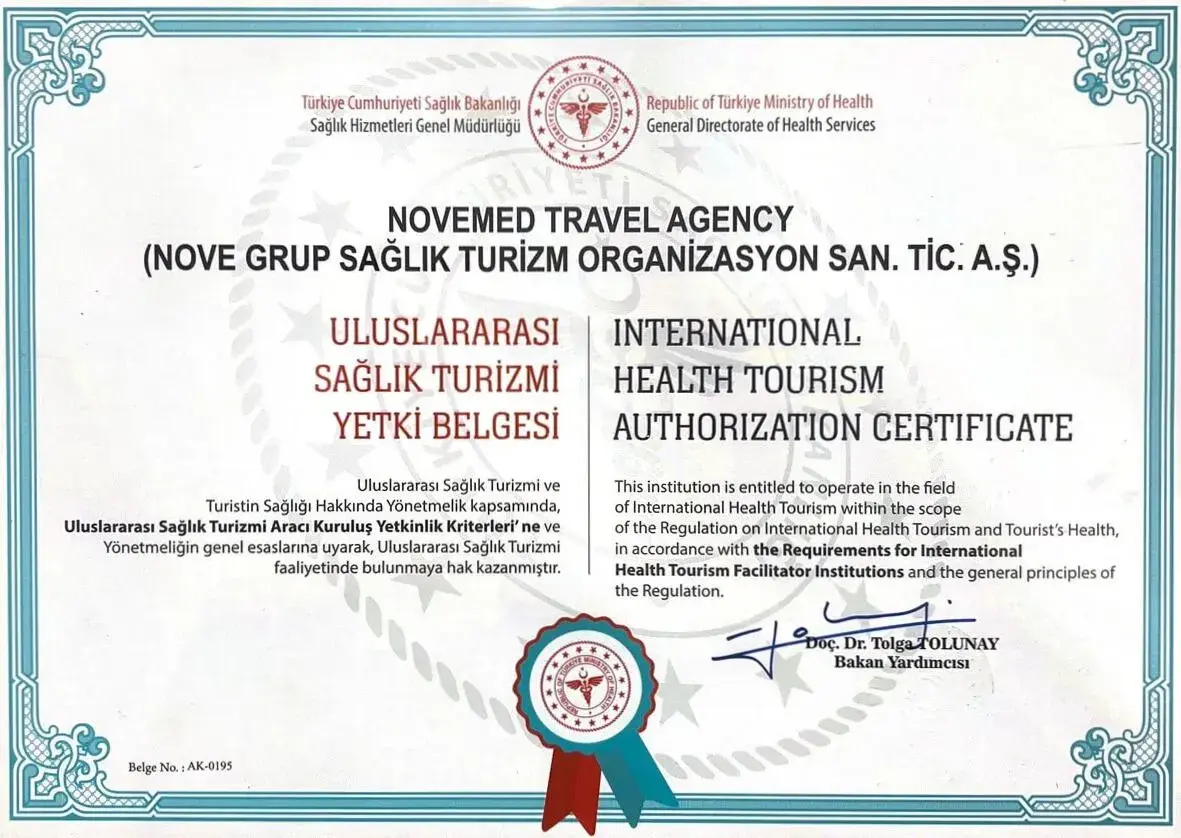
NOVE GRUP SAĞLIK TURİZM ORGANİZASYON SAN. TİC. A.Ş.
E-MAIL
INFO@NOVEXDENT.COMPHONE
+90(549) 680 15 34Whatsapp chat available
Root canal treatment (RCT), also called endodontic treatment, removes inflamed or infected pulp from inside a tooth, cleans and disinfects the root canals, and seals them to prevent reinfection. Its purpose is to keep the natural tooth instead of extracting it.
Once the pulp is irreversibly inflamed (irreversible pulpitis) or has died and become infected, it cannot heal. The choice is then between root canal treatment and extraction. Keeping the tooth preserves its root in the bone and avoids the gap that would otherwise need an implant, bridge or denture.
The procedure is carried out under local anaesthetic, so most people feel pressure rather than pain. The tooth can be tender for a few days afterwards, which is usually managed with over-the-counter pain relief as advised by the dentist.
Often, especially for molars and premolars, which take heavy chewing forces. A front tooth with plenty of remaining structure may only need a filling. The decision depends on how much healthy tooth is left.
When the tooth can be restored and has adequate bone support, keeping it is generally preferred. Extraction may be advised if the tooth is cracked below the gum, severely broken down or has a poor long-term outlook.
Beyond the Smile
We use cookies to personalise content, ads and to analyse our traffic. We also share information about your use of our site with our advertising and analytics partners who may combine it with other information that you’ve provided to them or that they’ve collected from your use of their services. Cookie Policy