Let your
journey start
in ISTANBUL
journey start
in ISTANBUL
in ISTANBUL
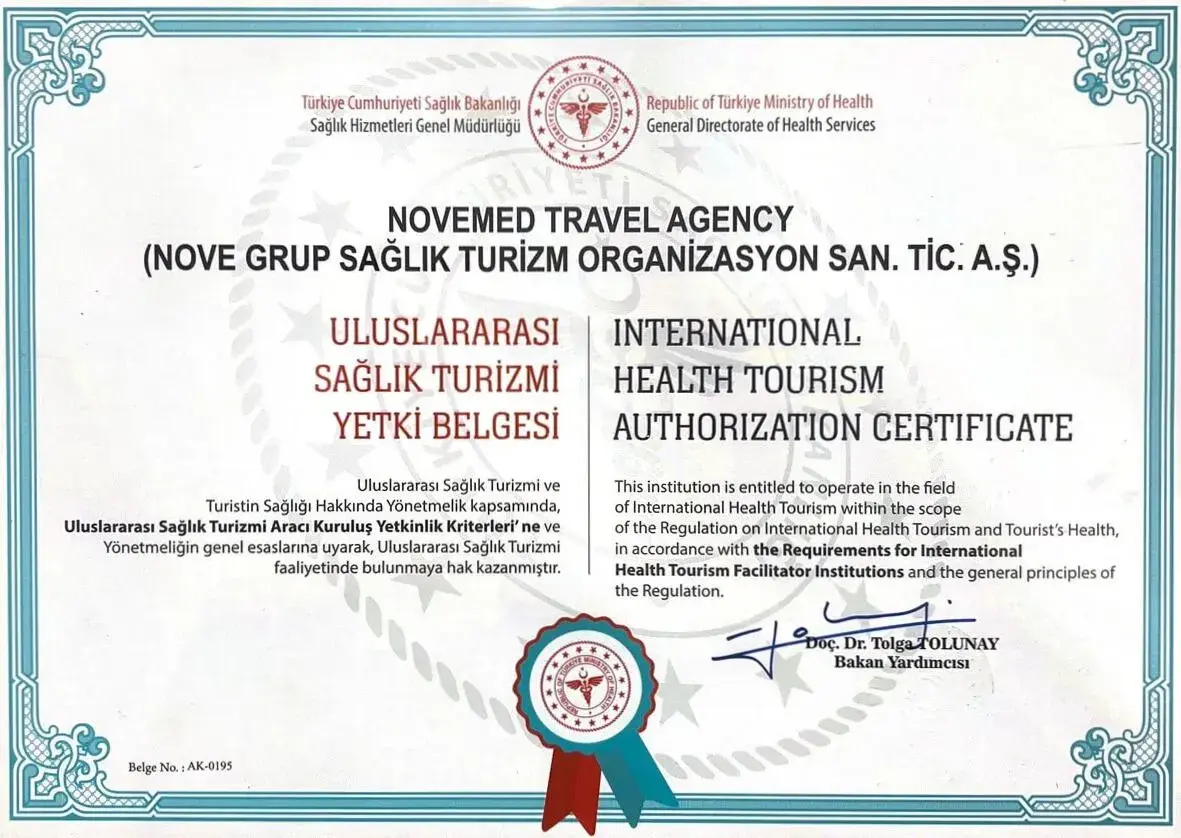
NOVE GRUP SAĞLIK TURİZM ORGANİZASYON SAN. TİC. A.Ş.
E-MAIL
INFO@NOVEXDENT.COMPHONE
+90(549) 680 15 34Whatsapp chat available
A diastema is a gap between two teeth. It is most often seen between the two upper front teeth, where it is called a midline diastema, but it can occur anywhere in the mouth. Gaps are normal in children while adult teeth are coming through, and many close on their own as the permanent canines erupt.
In adults, a diastema is usually a cosmetic concern rather than a health problem, and many people choose to keep theirs. However, a gap that appears or widens later in life can be a sign of an underlying problem, such as periodontal disease causing teeth to drift. Identifying the cause also matters for treatment, because if the cause remains, the gap may reopen after it has been closed.
A diastema is the clinical term for a gap between teeth, often called "gap teeth". The most common type is between the two upper front teeth.
Common causes are small teeth relative to the jaw, a missing tooth, a prominent lip frenum, gum disease, or habits such as tongue thrusting. Sometimes it simply runs in the family.
In children, gaps often reduce as the adult teeth erupt. In adults, a gap does not usually close by itself, and an increasing gap should be checked by a dentist.
Braces or aligners move the teeth and preserve them. Bonding is quick and conservative for small gaps. Veneers suit cases where the shape or colour of the teeth will also be changed. The right choice depends on the gap size, the cause and your goals.
It can, particularly after orthodontic closure or if the original cause, such as a frenum or gum disease, is not addressed. Wearing a retainer as advised helps prevent relapse.
Beyond the Smile
We use cookies to personalise content, ads and to analyse our traffic. We also share information about your use of our site with our advertising and analytics partners who may combine it with other information that you’ve provided to them or that they’ve collected from your use of their services. Cookie Policy