Composite Bonding Before and After: Results, Longevity and Cost
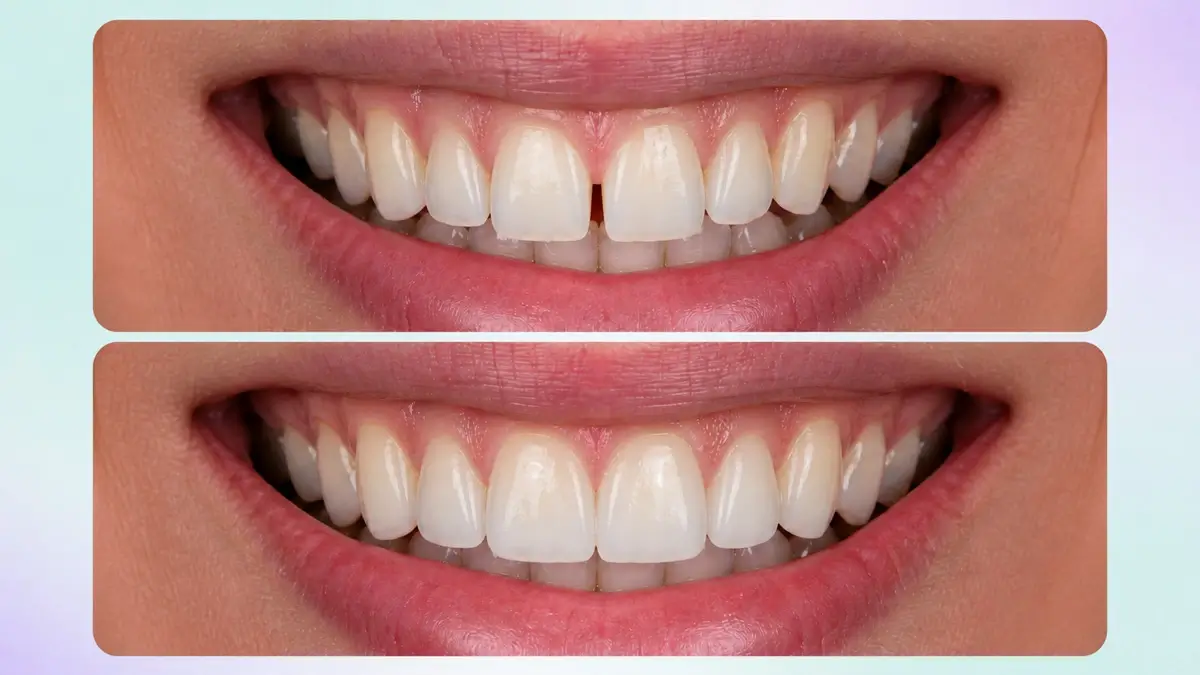
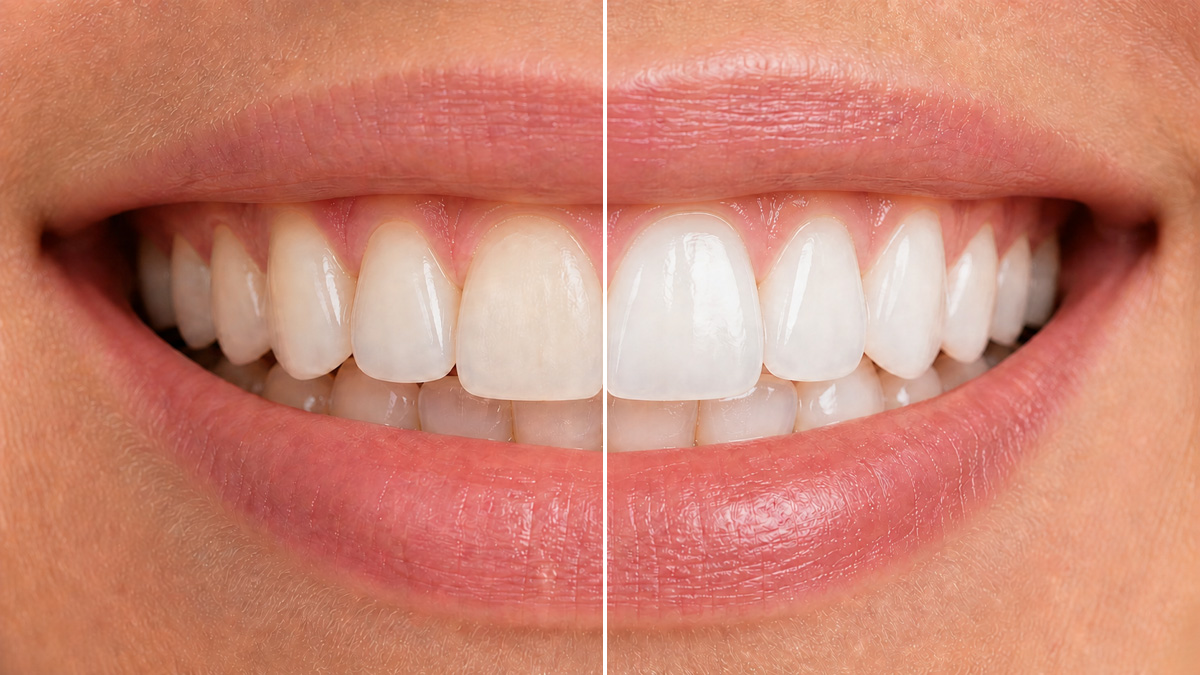
Composite bonding before and after results typically show teeth that look more even, with chips repaired, small gaps closed and uneven edges reshaped. The change is usually achieved in a single appointment, with little or no removal of natural tooth structure.
Composite bonding uses tooth-coloured resin that is applied directly to the tooth, sculpted by hand and hardened with a curing light. Because the material is added rather than the tooth being reduced, the treatment is generally considered one of the most conservative cosmetic options available.
The result, however, depends on the starting condition of your teeth, your bite and what you want to change. This guide explains what composite bonding can realistically achieve, how long it lasts, whether it can damage teeth and what influences the cost.
What Can Composite Bonding Change?
Composite bonding can improve the shape, size, length and surface appearance of individual teeth. It is best suited to small and moderate cosmetic concerns on otherwise healthy teeth.
- Chipped front tooth: bonding rebuilds the missing edge to match the neighbouring teeth. Large fractures may need a crown or ceramic restoration instead.
- Small gaps between teeth: bonding widens the teeth slightly so the gap is closed or reduced. Larger gaps can make teeth look too wide.
- Uneven or worn edges: bonding evens out the length and outline of the front teeth. Wear caused by grinding may return if the habit continues.
- Slightly short or small teeth: bonding adds length or width for better proportions. The bite may limit how much length can be added.
- Mild discolouration or surface marks: bonding covers localised marks on the front surface. Resin does not respond to whitening and may stain over time.
- Minor irregularity in tooth outline: bonding makes teeth appear straighter from the front. Teeth are not moved; true misalignment needs orthodontics.
Composite Bonding Before and After: What Results Are Realistic?
A realistic composite bonding result is a smile that looks more balanced and consistent, not a complete transformation. Bonding refines what is already there by adding small amounts of material.
[Insert Novexdent composite bonding before-and-after case image here]
Before-and-after photographs show one person's outcome, taken under specific lighting and angles. They are useful for understanding what bonding can do, but they do not show what every patient can expect. Your own result will depend on:
- the size, shape and position of your natural teeth
- how your upper and lower teeth meet when you bite
- the colour and condition of your enamel
- any existing fillings, crowns or decay
- the gum line around the treated teeth
- the clinician's planning, shade selection and finishing
- how well the bonding is maintained afterwards
Chipped teeth
Repairing a chipped front tooth is one of the most common uses of composite bonding. The resin is layered to recreate the missing section, then shaped and polished so the edge blends with the neighbouring teeth. Small chips often give the most natural-looking results.
Gaps between teeth
Bonding can close small gaps by adding resin to the sides of one or both teeth. The dentist needs to keep the teeth in proportion, so a gap that is too wide may be only partly closed, or an orthodontic option may be suggested first.
Uneven or worn edges
Teeth that have worn down or have uneven edges can be lengthened and levelled. If the wear is caused by grinding or clenching, the new edges are also exposed to those forces, so a night guard may be recommended.
Mild shape and colour irregularities
Bonding can mask small surface marks and make oddly shaped teeth look more uniform. It is less effective for widespread or deep discolouration, where ceramic veneers or crowns may give a more stable result.
What Composite Bonding Cannot Do
Composite bonding cannot move teeth, correct the bite or replace significant lost tooth structure. It changes the visible surface of a tooth only.
It may not be the right option if you have:
- moderate or severe crowding or rotated teeth
- a bite problem such as a deep overbite or crossbite
- large areas of decay or heavily filled teeth
- significant tooth wear from grinding that is not managed
- gum disease that has not yet been treated
- expectations of a very bright, uniform "all-over" change across many teeth
In these situations, a dentist may suggest orthodontic treatment, crowns or porcelain veneers, sometimes in combination with bonding. If crooked teeth are your main concern, braces or clear aligners are usually considered before cosmetic treatment.
How Is Composite Bonding Done?
A typical appointment involves:
- Assessment: the dentist checks your teeth, gums and bite, and treats any decay or gum problems first.
- Shade selection: a resin shade is chosen to match your natural teeth.
- Surface preparation: the tooth surface is roughened slightly and a bonding agent is applied so the resin can attach.
- Application and shaping: the resin is layered and sculpted by hand.
- Curing: a special light hardens each layer.
- Finishing: the tooth is trimmed, shaped and polished, and the bite is checked.
Local anaesthetic is often not needed, as most cases do not involve drilling into sensitive tooth structure. Some people notice short-term sensitivity afterwards.
If you want whiter teeth, whitening is normally carried out before bonding. Composite resin does not respond to whitening gels, so the bonding is matched to the shade you want to keep.
How Long Does Composite Bonding Last?
Composite bonding typically lasts between three and ten years before it needs touching up or replacing, according to Cleveland Clinic. The range is wide because longevity depends on how and where the bonding is used.
Factors that affect how long composite bonding lasts include:
- the size of the bonded area and how many teeth are treated
- whether the teeth take heavy biting forces
- grinding or clenching, especially at night
- habits such as nail biting, chewing pens or biting ice
- how often you drink coffee, tea, red wine or smoke
- oral hygiene and regular professional polishing
Over time, composite resin can pick up surface stains, lose its polish and chip at the edges. The advantage is that bonding can usually be repaired or refreshed by adding new material, without replacing the whole restoration.
Does Composite Bonding Damage Teeth?
Composite bonding does not usually damage healthy teeth, because little or no enamel needs to be removed. The tooth surface is lightly roughened so the resin can bond, but the tooth is generally not cut down in the way it is for crowns or many porcelain veneers.
Cleveland Clinic describes bonding as reversible for this reason. In practice, "reversible" has some limits:
- Removing or replacing bonding must be done carefully so that enamel is not polished away with the resin.
- Poorly finished or overhanging edges can trap plaque and make cleaning harder, which may affect the gums.
- Bonding placed over untreated decay or gum disease can make those problems worse.
- In some cases, small amounts of reshaping may be needed for the resin to sit naturally.
These risks are why careful assessment, precise finishing and regular check-ups matter as much as the bonding material itself.
Composite Bonding Cost: What Influences the Price?
Composite bonding cost is usually charged per tooth, and it is generally lower than porcelain veneers because no laboratory work is needed. Cleveland Clinic describes bonding as one of the least expensive cosmetic dental procedures.
The final price can vary according to:
- the number of teeth being treated
- how much resin is needed per tooth
- the complexity of the shaping and layering
- the clinician's experience and time spent on finishing
- whether whitening or other treatment is needed first
- the country and city where treatment takes place
When comparing composite bonding cost, it also helps to consider long-term maintenance. Bonding has a lower initial cost, but it may need polishing, repairs or replacement sooner than ceramic restorations. A treatment plan should explain both the upfront cost and what future maintenance may involve.
Current starting prices for Novexdent treatment packages are shown on the Novexdent. Final costs are confirmed after an individual assessment.
Composite Bonding vs Veneers: Which Is Better for You?
Neither option is better for everyone. Composite bonding suits smaller, localised changes on healthy teeth, while porcelain veneers are often considered for broader changes in colour and shape across several teeth.
- Material: composite bonding uses composite resin applied directly to the tooth, while porcelain veneers are ceramic restorations made in a dental laboratory.
- Appointments: bonding usually needs one appointment. Porcelain veneers usually involve several stages.
- Tooth preparation: bonding needs little or no preparation in most cases. Porcelain veneers often involve removing a small amount of enamel.
- Typical lifespan: bonding lasts about 3 to 10 years, while porcelain veneers last about 10 to 20 years.
- Stain resistance: bonding is less stain-resistant than porcelain.
- Repair: bonding is usually straightforward to repair, while a damaged porcelain veneer may require replacement.
- Reversibility: bonding is generally reversible. Porcelain veneers are not reversible once enamel is removed.
If you are already considering ceramic options, you can read about porcelain veneer treatment at Novexdent.
How to Look After Composite Bonding
Good daily care helps bonding keep its colour and shape for longer.
- Brush twice a day with fluoride toothpaste and clean between your teeth daily.
- Limit dark drinks such as coffee, tea and red wine, or rinse with water afterwards.
- Avoid biting hard objects, including ice, pens and fingernails.
- Wear a night guard if your dentist advises one for grinding.
- Attend regular check-ups so edges can be polished or repaired early.
Frequently Asked Questions
Does composite bonding look natural?
Composite bonding can look very natural when the shade, shape and surface texture are matched carefully to your own teeth. The result depends heavily on the clinician's skill and on choosing proportions that suit your smile.
Is composite bonding painful?
Composite bonding is not usually painful, and many patients do not need a local anaesthetic. Some people have mild sensitivity for a short time afterwards.
Can composite bonding be whitened?
No, composite resin does not change colour with whitening gels. If you want whiter teeth, whitening is normally done before bonding so the resin can be matched to your new shade.
Can composite bonding fix crooked teeth?
Composite bonding can make slightly irregular teeth look straighter from the front, but it does not move them. Crowding, rotation and bite problems usually need orthodontic treatment.
What happens if composite bonding chips?
A chipped area can usually be repaired by adding and polishing new resin. Larger damage may mean the bonding on that tooth needs replacing.
Can I get composite bonding while having treatment in Turkey?
Composite bonding is usually completed in one visit, so it can be included in a short treatment stay. Your teeth and gums should be assessed first, and you should ask how repairs will be handled once you return home. If you are also comparing ceramic options abroad, ask which material is recommended for your teeth and why.
Is Composite Bonding Right for You?
Composite bonding may be suitable if you have healthy teeth and want to repair chips, close small gaps or even out the shape of a few teeth without removing much natural tooth structure. It is less suited to crooked teeth, bite problems or widespread discolouration.
Looking at composite bonding before and after photos can help you understand what is possible, but the only reliable way to know what you can expect is a clinical assessment. A dentist can check your teeth, gums and bite, explain whether bonding, veneers or another approach fits your goals, and outline the likely maintenance and cost before any treatment begins.
LATEST ARTICLES
Beyond the Smile