Zirconia Veneers and Laminate Veneers in Turkey: Differences and Costs

Zirconia veneers are ceramic restorations made from zirconium dioxide, a very strong and relatively opaque material. Laminate veneers are thin porcelain shells, usually made from feldspathic porcelain or lithium disilicate, that are bonded to the front of the teeth. Both are widely offered in Turkey, but they suit different situations.
One point often causes confusion. In Turkey, the phrase "zirconium veneers" is frequently used to describe zirconia crowns, which cover the whole tooth, rather than thin veneers that cover only the front surface. The difference affects how much tooth structure is removed, how the result looks and what the treatment costs.
This guide explains how zirconia veneers and laminate veneers compare, when each may be considered, what influences zirconium veneers price in Turkey and what to ask before you choose.
What Are Zirconia Veneers?
Zirconia veneers are restorations milled from zirconium dioxide ceramic. Zirconia is known for its high strength and resistance to fracture, and it is also more opaque than glass-based ceramics.
That opacity can be useful when a tooth is dark, for example after root canal treatment or because of deep internal staining, because the material can help mask the underlying colour. The trade-off is that traditional zirconia transmits less light than enamel, so it can look less translucent on front teeth. Newer, more translucent zirconia materials are available, and they are often layered with porcelain to improve the appearance.
Zirconia is generally used for:
- teeth with strong discolouration that thinner ceramics may not mask
- teeth that take heavy biting forces
- teeth with larger existing fillings or previous damage
- restorations where strength is a higher priority than maximum translucency
What Are Laminate Veneers?
Laminate veneers are thin, custom-made porcelain shells bonded to the front surface of the teeth to change their colour, shape or proportions. They are usually made from feldspathic porcelain or lithium disilicate (often known by the brand name E.max).
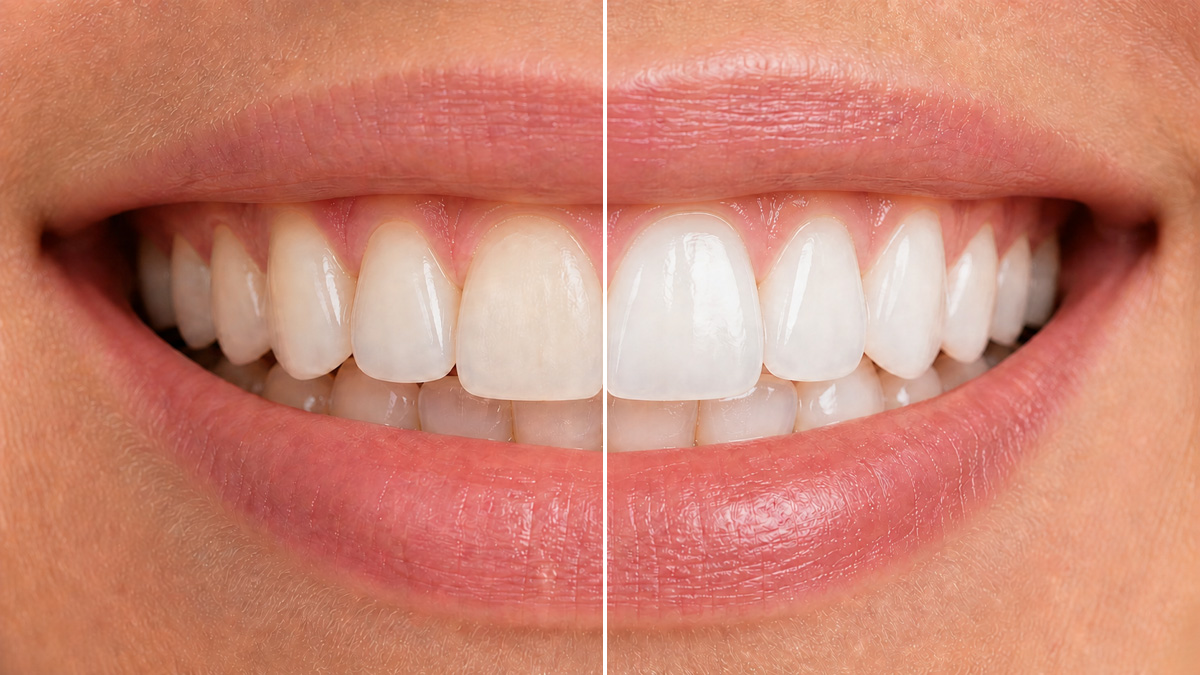
Because they are thin and translucent, laminate veneers can reproduce the way light passes through natural enamel. They are commonly considered for cosmetic changes on front teeth that are healthy and reasonably well positioned.
The amount of preparation varies. Some cases need only a small reduction of enamel, while others need more, depending on tooth position, colour and the planned shape. At Novexdent, laminate veneers are described as ultra-thin porcelain that in many cases need as little as 0.3mm of preparation, although the amount is always confirmed after assessment.
Zirconium Crown Veneers: Why the Terms Get Mixed Up
"Zirconium crown veneers" is not a formal dental term. It usually describes zirconia crowns that are marketed as veneers because they are used to change the appearance of the front teeth.
The distinction matters:
- A veneer covers the front, and sometimes the edge, of a tooth. Preparation is usually limited to the enamel.
- A crown covers the whole visible tooth. It generally requires more tooth reduction all the way round.
Crowns are often the appropriate choice when a tooth is heavily filled, fractured or root-treated. They are harder to justify on healthy teeth where a veneer or a more conservative option could achieve a similar cosmetic result. The informal term "Turkey teeth" often blurs this line, because it is used for both veneers and crowns.
If you receive a quote for "zirconium veneers", ask whether the plan involves veneers or crowns, and how much of each tooth will be prepared. A clear answer helps you compare quotes accurately and understand what is being done to your natural teeth.
Zirconia vs Laminate Veneers: Key Differences
The main differences between zirconia and laminate veneers are strength, translucency, preparation and the situations they are designed for.
- Material: zirconia restorations are made from zirconium dioxide ceramic, while laminate veneers are made from feldspathic porcelain or lithium disilicate.
- Strength: zirconia is very strong. Laminate veneers are also strong, but less so than zirconia.
- Translucency: zirconia is less translucent, although newer types are more translucent. Laminate veneers are more translucent and closer to natural enamel.
- Masking dark teeth: zirconia is generally better at hiding dark teeth, while laminate veneers may be limited on very dark teeth.
- Coverage: zirconia is often used as a full-coverage crown, while laminate veneers cover the front surface of the tooth.
- Tooth preparation: zirconia usually needs more preparation, especially for crowns. Laminate veneers often need less, depending on the case.
- Common use: zirconia is often chosen for discoloured, damaged or heavily restored teeth, while laminate veneers are more common for cosmetic changes on healthy front teeth.
These are general characteristics. The actual design, thickness and preparation depend on the individual tooth and the clinical plan.
Which Option Suits Which Situation?
The right material depends on the condition of each tooth, not on which option is more popular. Many smile makeovers use a combination, with laminate veneers on healthy front teeth and crowns where teeth need more support.
Healthy teeth needing a cosmetic change
Laminate veneers are commonly considered when the teeth are healthy and the aim is to change colour, shape or proportions. They may allow more enamel to be preserved.
Strongly discoloured or root-treated teeth
Zirconia, or another more opaque ceramic, may be suggested when the tooth underneath is dark and a thin translucent veneer could let that colour show through.
Heavily filled, cracked or weakened teeth
A zirconia crown is often more appropriate when a large part of the tooth has already been lost or restored, because it protects the remaining structure. Novexdent's zirconium crown treatment page explains how these crowns are planned and made.
Grinding, clenching or a heavy bite
Strength becomes more important where bite forces are high. The American Dental Association notes that veneers may not be a good choice for people who clench or grind, or who have a deep overbite. In these cases, the dentist may recommend a stronger material, a different treatment or a night guard.
How Much Do Zirconium Veneers Cost in Turkey?
Zirconium veneers price in Turkey varies with the number of teeth, the ceramic used, whether the plan involves veneers or crowns, and any treatment needed beforehand. There is no single price that applies to every patient.
At Novexdent, the veneer package currently starts from €240 per veneer and includes E.max or zirconia ceramics, while the zirconium crown package starts from €180 per crown. These are starting prices, not final treatment prices. The total cost is confirmed after a clinical assessment and depends on the individual treatment plan. Current treatment packages are shown on the Novexdent website.
A final quote cannot be calculated simply by multiplying a starting price by the number of teeth. It may also reflect:
- how many teeth actually need treatment
- whether some teeth need crowns rather than veneers
- the specific ceramic and laboratory work
- treatment of decay, gum problems or old restorations first
- root canal treatment on any tooth that needs it
- the complexity of the smile design
Laminate Veneers Cost: What Changes the Price?
Laminate veneers cost is typically charged per tooth, but the total depends mainly on how many teeth are included and the type of porcelain used. A few veneers on the most visible teeth will cost considerably less than a full upper and lower smile makeover.
Other factors that can change laminate veneers cost include:
- whether the porcelain is hand-layered or made from a single block
- the amount of design work, such as digital smile planning and trial fittings
- whether temporary veneers are needed
- the experience of the clinician and ceramist
- what the package includes, such as appointments, transfers and aftercare
When comparing laminate veneers in Turkey with treatment at home, compare the full treatment plan rather than the headline price per tooth. A clear quote should state the number of veneers, the ceramic used, any additional treatment and what the package includes.
What Is the Treatment Process in Turkey?
Veneer or crown treatment in Turkey usually follows a similar path, whichever ceramic is chosen. Treatment commonly takes around five to seven days in the clinic for veneers and crowns, although the exact timing depends on the plan.
- Remote consultation: photographs and, where available, X-rays are reviewed to discuss options before travel.
- Clinical examination: the teeth, gums and bite are assessed, and any necessary X-rays or scans are taken.
- Smile planning: tooth shape, length and shade are planned around the face and smile line.
- Preparation: teeth are prepared as required for veneers or crowns, and temporary restorations may be fitted.
- Laboratory production: the veneers or crowns are made to the planned design.
- Trial and fitting: the restorations are checked for fit, bite and appearance before final bonding or cementation.
- Aftercare: care instructions are given, and follow-up arrangements are agreed.
How Long Do Zirconia and Laminate Veneers Last?
Longevity depends on:
- the material and quality of bonding
- bite forces and grinding
- oral hygiene and gum health
- diet and habits such as biting hard objects
- regular dental check-ups
Veneers and crowns can chip, crack or loosen, and the teeth underneath can still develop decay at the margins. Both treatments should be seen as long-term commitments that may need maintenance or replacement in the future.
Risks and Limitations to Consider
Veneers and crowns are generally irreversible once enamel or tooth structure has been removed. Other considerations include:
- tooth sensitivity after preparation, usually temporary
- a result that looks too opaque, too white or too uniform if planning is poor
- more tooth reduction than necessary if crowns are used where veneers would do
- the need for existing decay or gum disease to be treated first
- repairs or replacements in future, which may involve further travel
Questions to Ask Before Choosing
- Are you proposing veneers or crowns for each tooth?
- Which ceramic will be used, and why is it suitable for my teeth?
- How much tooth structure will be removed?
- How many teeth genuinely need treatment?
- What is included in the quote, and what could add to the cost?
- What happens if a restoration chips or comes loose after I return home?
Frequently Asked Questions
Are zirconia veneers better than laminate veneers?
Neither is better in every case. Zirconia offers higher strength and better masking of dark teeth, while laminate veneers usually offer more translucency and may need less preparation on healthy teeth.
Are zirconium veneers the same as zirconium crowns?
Not always. The term "zirconium veneers" is often used for zirconia crowns, which cover the whole tooth. Ask your clinic exactly which restoration is planned.
Do laminate veneers damage your teeth?
Laminate veneers usually require some enamel to be removed, which is irreversible. The amount varies by case, and a careful plan aims to preserve as much healthy tooth structure as possible.
Do zirconia veneers look natural?
They can, particularly with newer translucent zirconia or layered porcelain. Traditional zirconia is more opaque, so the material choice should be matched to the tooth and the desired look.
How long do I need to stay in Turkey for veneers?
Veneer and crown treatment usually requires around five to seven days, depending on the number of teeth and the treatment plan.
Choosing Between Zirconium and Laminate Veneers
Zirconia veneers and laminate veneers both have a place in cosmetic dentistry. Laminate veneers are often considered for healthy front teeth where a natural, translucent finish is the priority. Zirconia is more often suggested for dark, damaged or heavily restored teeth, and is frequently used as a full crown.
The most important step is a clear clinical assessment that explains which restoration is proposed for each tooth, how much preparation it requires and why. With that information, you can compare zirconium and laminate veneers in Turkey on the basis of your own teeth rather than on price or terminology alone.
LATEST ARTICLES
Beyond the Smile