Veneers vs Crowns: Cost, Differences & Which to Pick
Veneers and crowns can both improve the appearance of teeth, but they solve different problems. Veneers mainly cover the front surface and are typically considered for cosmetic changes, while crowns cover most or all of a prepared tooth and can provide greater structural support. Veneer costs vary by material, location, number of teeth and the treatment required.
Understanding these differences is important before comparing prices. The cheapest option is not necessarily the most appropriate one, and a tooth that is suitable for a veneer may not need the more extensive preparation associated with a crown.
This guide compares veneers vs crowns by cost, tooth preparation, appearance, durability and treatment purpose to help you understand which option may be more suitable.
Veneers vs Crowns: What Is the Main Difference?
The fundamental difference is how much of the natural tooth each restoration covers and why it is being used.
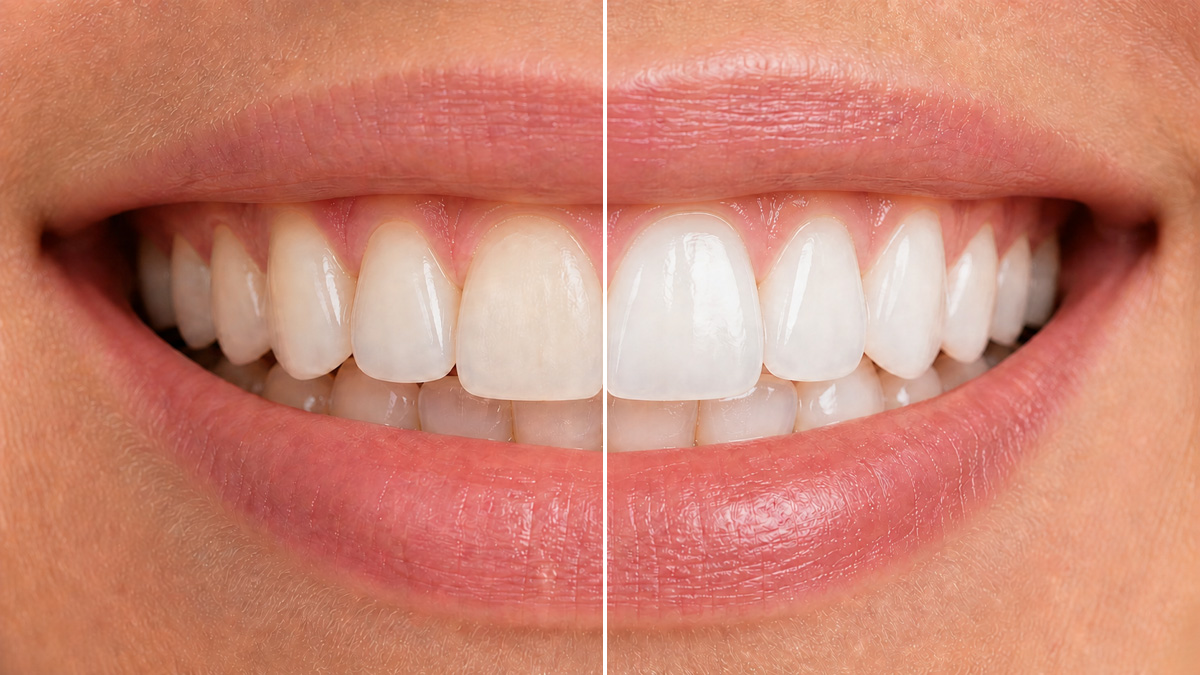
A veneer is a thin restoration bonded primarily to the visible front surface of a tooth. It is generally used to improve cosmetic concerns such as colour, shape, proportions, minor chips or small gaps.
A crown surrounds a much larger portion of the tooth. It can improve appearance, but it is also commonly used when a tooth needs structural protection because it is weakened, heavily restored, cracked or significantly damaged.
In simple terms:
This difference in tooth coverage is one of the most important factors when comparing crowns vs veneers.
What Are Dental Veneers?
Dental veneers are thin restorations designed to change the appearance of the visible surface of a tooth.
They may be considered when teeth are generally healthy but have aesthetic concerns such as:
- Persistent discolouration
- Uneven tooth shape
- Small gaps
- Minor chips
- Worn edges
- Differences in tooth size
- Mild cosmetic asymmetry
Porcelain veneers are individually created and bonded to the natural tooth. Depending on the position of the tooth and the selected restoration, a small amount of enamel may need to be removed to create space.
Some cases can be treated with minimal preparation, although this is not suitable for every patient.
At Novexdent, patients considering cosmetic treatment can learn more about available materials and treatment planning on the Dental Veneers in Turkey page.
What Is a Dental Crown?
A crown is a restoration that covers a much larger portion of a prepared tooth.
While crowns can produce a major cosmetic improvement, their role is not limited to appearance. They are commonly used when a natural tooth requires additional protection or restoration.
A crown may be considered when a tooth is:
- Cracked
- Extensively filled
- Severely worn
- Structurally weakened
- Heavily discoloured
- Significantly misshapen
- Restored following certain root canal treatments
Because a crown surrounds the tooth, more natural tooth structure generally needs to be prepared compared with a veneer.
This is why crowns should not automatically be chosen simply because someone wants a smile makeover. If a healthy tooth can achieve the desired result with a more conservative treatment, removing additional tooth structure may not be necessary.
Patients who require greater structural coverage can explore Novexdent's Dental Crowns in Turkey treatment options.
How Much Are Veneers?
The answer depends on where treatment is performed, the veneer material, how many teeth are being treated and whether additional dental work is required.
At Novexdent in Istanbul, the current veneer package starts from €240 per veneer. This is a starting price rather than a guaranteed quotation. The final cost is confirmed following assessment and depends on the individual treatment plan.
For example, using the current starting price purely as an illustration:
These figures should not be interpreted as a recommendation for a specific number of veneers.
A patient may only need six visible teeth treated, while another may require eight or ten to create visual consistency across the smile.
The number should be determined by the patient's smile line, tooth condition and treatment goals rather than by selecting a predefined package.
How Much Do Veneers Cost in Total?
The total price is not simply determined by the advertised price per tooth.
Several factors can change how much veneers cost.
Number of Teeth
This is usually the most obvious factor.
Someone improving one damaged front tooth will have a very different total cost from someone planning a smile makeover across ten teeth.
Veneer Material
Composite and ceramic restorations have different production methods, characteristics and costs.
Even within ceramic dentistry, different materials may be selected according to aesthetic requirements, bite and tooth position.
Laboratory Work
Porcelain veneers are custom-made restorations.
Their shape, colour, translucency and surface characteristics can involve detailed laboratory work, which contributes to the treatment cost.
Existing Dental Problems
Cosmetic treatment should not simply cover untreated dental disease.
Decay, gum problems or other dental conditions may need to be addressed before veneers are placed, which can change the overall treatment plan.
Complexity of the Smile Design
Correcting one slightly irregular tooth is different from designing a consistent smile across multiple teeth.
More extensive cases may involve additional planning, digital scans, temporary restorations and multiple fitting stages.
Location
Dental treatment prices vary significantly between countries because operating costs, laboratory expenses and other healthcare costs differ.
This is one reason patients from the UK and Europe may compare domestic treatment with dental care in Turkey.
How Much Do Crowns Cost Compared With Veneers?
Crowns do not necessarily cost more than veneers.
At Novexdent, current zirconia crown packages start from €180 per crown, compared with veneers from €240 per tooth. Final pricing is based on the individual treatment plan.
However, choosing between a €180 crown and a €240 veneer should not be treated like choosing between two versions of the same product.
They are different treatments.
If a healthy tooth is suitable for a conservative veneer, selecting a crown simply because its advertised price is lower could involve unnecessary removal of natural tooth structure.
Conversely, placing a veneer over a tooth that requires substantial structural support may not address the underlying problem.
Clinical suitability should therefore come before the price difference.
Crowns vs Veneers: Which Requires More Tooth Shaving?
Crowns generally require more tooth preparation.
A veneer mainly covers the front surface of the tooth. Depending on the case, preparation can be limited to a relatively small amount of enamel.
A crown surrounds a much larger part of the tooth, so the dentist normally needs to shape several surfaces to create sufficient space for the restoration.
This is one of the biggest distinctions in the crowns vs veneers comparison.
Patients sometimes encounter dramatic images online showing natural teeth reduced to very small shapes before cosmetic treatment. These preparations are more closely associated with full-coverage restorations than conservative veneer treatment.
The appropriate amount of preparation depends on:
- Existing tooth position
- Tooth thickness
- Bite
- Material
- Existing restorations
- Damage to the tooth
- Desired final shape
A dentist should be able to explain why preparation is necessary and how much natural tooth structure is expected to be removed before treatment begins.
Which Looks More Natural: Veneers or Crowns?
Both can look natural when properly designed.
The final appearance depends less on whether the restoration is called a veneer or crown and more on factors such as:
- Material
- Ceramic quality
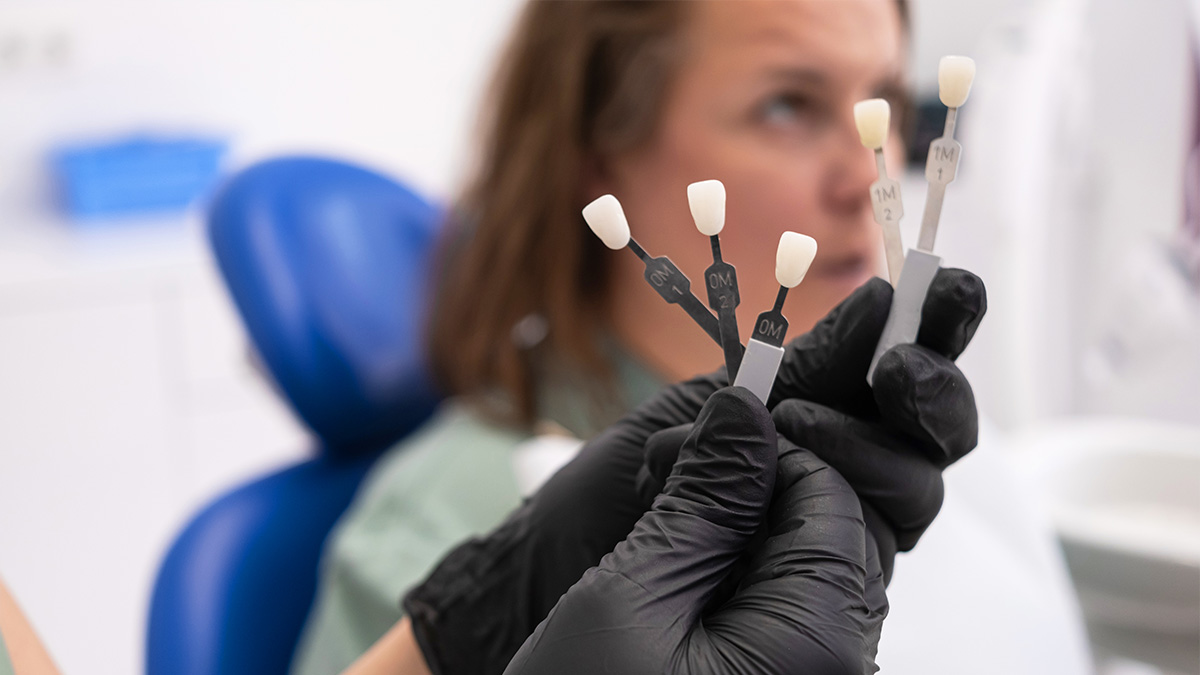
- Shade selection
- Translucency
- Tooth proportions
- Surface texture
- Gum relationship
- Laboratory work
- Clinical fit
Porcelain veneers are commonly chosen for highly visible front teeth because ceramic can reproduce many of the optical characteristics associated with natural enamel.
Modern crowns can also provide highly aesthetic results.
For example, zirconia and E-Max restorations can be designed to combine strength with a natural appearance depending on where the tooth is located and what the treatment needs to achieve.
The objective should not simply be to create the whitest possible teeth.
A convincing result usually involves selecting a shade, tooth shape and level of translucency that work with the patient's face and surrounding natural teeth.
Are Veneers Worth It?
Whether veneers are worth it depends on what you want to change and whether veneers are clinically appropriate for your teeth.
They may provide significant value for someone who has healthy teeth but wants to improve multiple cosmetic concerns at the same time.
For example, veneers can potentially address colour, tooth proportions, minor gaps and shape within one treatment plan.
They may be worth considering when:
- Whitening cannot achieve the desired colour
- Several visible teeth have cosmetic inconsistencies
- Natural teeth are structurally suitable for veneers
- Long-term ceramic restorations fit your expectations
- You understand that treatment may be irreversible
- You are prepared to maintain the restorations over time
However, veneers may not represent good value if the same concern could be treated more conservatively.
A small chip may only require composite bonding.
Discolouration may respond to professional whitening.
Misalignment may be better treated orthodontically.
The value of veneers therefore depends on whether they are solving the right problem rather than simply whether the before-and-after result looks appealing.
Are Crowns Better Than Veneers?
Not inherently.
A crown is better when the tooth needs the type of protection and coverage a crown provides.
A veneer may be preferable when the tooth is healthy and the primary objective is cosmetic improvement with less preparation.
For example:
A healthy but permanently discoloured front tooth may be a veneer candidate.
A heavily filled and structurally compromised tooth may be better suited to a crown.
This illustrates why asking whether crowns or veneers are "better" is less useful than asking which restoration is appropriate for the condition of the tooth.
Veneers vs Crowns for Damaged Teeth
The amount of existing damage can strongly influence the treatment decision.
A veneer relies on the underlying tooth, particularly suitable enamel, to provide a predictable bonding surface.
If a tooth has lost substantial structure because of decay, trauma or previous restorations, there may not be enough healthy tooth remaining for a veneer to be the most appropriate solution.
A crown can surround and protect more of the remaining structure.
This makes crowns commonly relevant for teeth that are:
- Heavily restored
- Significantly fractured
- Structurally weak
- Severely worn
- In need of extensive reconstruction
That does not mean every damaged tooth requires a crown. The amount and location of damage need to be evaluated individually.
Veneers vs Crowns for Cosmetic Treatment
When the teeth are healthy and the main objective is appearance, veneers may allow the desired changes with less preparation.
They can modify:
- Shape
- Length
- Width
- Colour
- Symmetry
- Visible spacing
Crowns can make many of the same visual changes, but their greater tooth coverage generally makes them more appropriate when restorative needs exist alongside cosmetic goals.
A cosmetic treatment plan may also contain both.
For example, a patient could receive veneers on healthy front teeth and a crown on one tooth that already contains a large restoration.
There is no requirement for every tooth in a smile makeover to receive the same restoration.
Do Veneers or Crowns Last Longer?
There is no guaranteed lifespan for either treatment.
Longevity depends on the material, clinical fit, oral hygiene, bite forces, maintenance and the condition of the underlying tooth.
Factors that can shorten the lifespan of both restorations include:
- Teeth grinding
- Clenching
- Biting hard objects
- Poor oral hygiene
- Gum disease
- Decay around restoration margins
- Trauma
- Changes in the bite
A restoration that remains intact for many years may still eventually need repair or replacement.
This long-term maintenance should be considered when deciding whether veneers are worth the initial investment.
What Happens If a Veneer or Crown Breaks?
The appropriate response depends on the type and extent of the damage.
A minor issue may sometimes be repairable, while more significant fractures can require a new restoration.
Damage may also involve the natural tooth underneath, so a broken restoration should be assessed rather than treated as a purely cosmetic problem.
Patients who grind or clench their teeth may be advised to use a night guard to reduce excessive forces on ceramic restorations.
Maintaining regular dental examinations is also important because the condition of the natural tooth and gums still matters after veneers or crowns are placed.
Which Option Is Better for Front Teeth?
Both treatments can be used for front teeth, but the condition of the tooth usually determines which approach is more conservative.
When front teeth are structurally healthy and the concern is mainly cosmetic, veneers may offer enough coverage to achieve the desired visual change.
When a front tooth is heavily damaged or already contains extensive dental work, a crown may provide greater coverage and protection.
Aesthetic considerations are especially important for front teeth because subtle differences in:
- Translucency
- Colour
- Surface texture
- Length
- Symmetry
can be easily visible when smiling.
The restoration therefore needs to be selected according to both structural requirements and aesthetic goals.
Which Option Is Better for Back Teeth?
Crowns are much more commonly associated with restoring damaged back teeth.
Molars experience substantial chewing forces and may require full coverage when they have lost significant structure.
Veneers are primarily associated with visible surfaces and cosmetic changes, making them much less relevant to many posterior restorative situations.
Material selection also becomes important because restorations on back teeth need to withstand different forces from those placed on front teeth.
Can You Replace Veneers With Crowns Later?
In some situations, a tooth previously treated with a veneer may eventually receive a crown if its condition changes.
For example, the tooth may later experience:
- Significant decay
- Structural damage
- A large fracture
- Extensive restorative work
A dentist would need to assess how much healthy tooth structure remains and determine the most appropriate restoration.
However, patients should not view veneers as temporary placeholders for crowns.
Every time natural tooth structure is removed, it cannot simply grow back. Long-term treatment planning should therefore aim to preserve as much healthy structure as reasonably possible.
Can Crowns Be Replaced With Veneers?
Usually, a tooth that has already been prepared for a full crown cannot simply be converted back to a conventional veneer.
A crown preparation removes tooth structure around several surfaces to provide space for the restoration.
A veneer requires a different preparation and bonding situation.
Once a tooth has undergone substantial full-coverage preparation, it will generally continue to require an appropriate full-coverage restoration.
This is another reason why the initial choice between veneers vs crowns matters.
What Is the Treatment Process for Veneers?
The exact process varies by clinic and patient, but porcelain veneer treatment commonly involves several stages.
1. Dental Assessment
The dentist evaluates the teeth, gums and bite and determines whether veneers are appropriate.
2. Smile Planning
The desired colour, shape, size and proportions are planned.
3. Tooth Preparation
A small amount of enamel may be removed where necessary.
4. Digital Scan or Impression
Measurements are recorded so the restorations can be manufactured accurately.
5. Laboratory Production
The veneers are individually made according to the treatment design.
6. Trial Fitting
Fit, colour, shape and bite can be evaluated before final placement.
7. Bonding
The final veneers are bonded to the teeth and the bite is checked.
What Is the Treatment Process for Crowns?
Crown treatment follows a similar general workflow but tooth preparation is more extensive because the restoration covers more of the tooth.
The process can include:
- Examination and diagnosis
- Removal of damaged or unsuitable tooth structure
- Preparation of the tooth
- Digital scan or impression
- Temporary restoration when required
- Production of the final crown
- Trial fitting
- Final cementation or bonding
- Bite adjustment
Additional treatment may be necessary if the underlying tooth has decay, infection or another structural problem.
Veneers vs Crowns: Which Is More Expensive Long Term?
Initial price is only one part of the financial comparison.
Long-term cost can be affected by:
- Maintenance
- Repair
- Replacement
- Underlying tooth health
- Gum health
- Bite changes
- Bruxism
- Additional restorative treatment
A cheaper restoration that is not clinically appropriate can become considerably more expensive if additional treatment is required later.
Likewise, selecting a more extensive procedure than necessary may sacrifice healthy tooth structure without delivering a meaningful additional benefit.
The most useful cost comparison therefore considers both the immediate price and the long-term condition of the tooth.
Questions to Ask Before Choosing Veneers or Crowns
Before agreeing to treatment, consider asking:
- Why is this restoration recommended for my tooth?
- Is my tooth healthy enough for a veneer?
- Why would I need a crown instead?
- How much natural tooth structure will be removed?
- Which material will be used?
- What alternatives are available?
- How many teeth actually need treatment?
- What is included in the price?
- What maintenance may be required?
- What happens if a restoration chips or fails?
- How will my bite be checked?
A good treatment plan should explain not only what will be done, but why that approach has been selected.
Frequently Asked Questions
How much are veneers?
The price varies according to country, material, number of teeth and treatment complexity. At Novexdent, veneers currently start from €240 per veneer, with the final price confirmed after an individual assessment.
How much do veneers cost for a full smile?
There is no standard "full smile" because the number of visible teeth differs between patients. Some treatment plans may involve six or eight veneers, while wider smiles may require ten or more. The total price therefore depends heavily on how many teeth actually need treatment.
What is the main difference between veneers and crowns?
Veneers primarily cover the front surface of a tooth and are commonly used for cosmetic changes. Crowns cover most or all of a prepared tooth and can provide greater structural protection when a tooth is damaged or weakened.
Are veneers worth it?
They can be worthwhile when they address several cosmetic concerns and are clinically appropriate for the natural teeth. They may be less appropriate when a simpler treatment such as whitening, bonding or orthodontics can achieve the desired result.
Are crowns cheaper than veneers?
They can be. At Novexdent, current starting prices are €180 for a zirconia crown and €240 for a veneer. Price alone should not determine the treatment because the two restorations have different purposes.
Do crowns require more tooth shaving than veneers?
Generally, yes. Veneers mainly cover the front surface, while crowns surround a larger part of the tooth and usually require preparation across multiple surfaces.
Can I have both veneers and crowns?
Yes. A smile makeover does not necessarily need to use the same restoration on every tooth. Healthy teeth may receive veneers while structurally compromised teeth may require crowns.
Which treatment looks more natural?
Both can produce natural-looking results. Material quality, treatment planning, colour, translucency, surface texture, fit and laboratory work are more important than the restoration name alone.
LATEST ARTICLES
Beyond the Smile