Turkey Teeth Explained: Meaning, Costs and Treatment Process
.jpg)
“Turkey teeth” has become one of the most widely used phrases associated with cosmetic dental treatment abroad. Social media transformations, before-and-after photos and comparatively accessible treatment prices have encouraged many people to consider travelling to Turkey for a new smile.
However, Turkey teeth is not the name of a specific dental procedure. It is an informal term commonly used to describe cosmetic and restorative dental treatments completed in Turkey, usually involving veneers, dental crowns or a combination of different procedures.
Before choosing treatment, it is important to understand what Turkey teeth actually means, how veneers differ from crowns, whether the natural teeth need to be prepared and what the quoted price includes.
What Are Turkey Teeth?
Turkey teeth generally refers to cosmetic dental work carried out in Turkey to change the colour, shape, size or overall appearance of a person’s smile. The phrase is sometimes also searched as “Turkish teeth”, although neither term describes a standard clinical procedure.
Depending on the patient’s oral health and aesthetic goals, a Turkey teeth treatment plan may include:
- Porcelain or E-Max veneers
- Zirconium crowns
- Composite bonding
- Teeth whitening
- Gum contouring
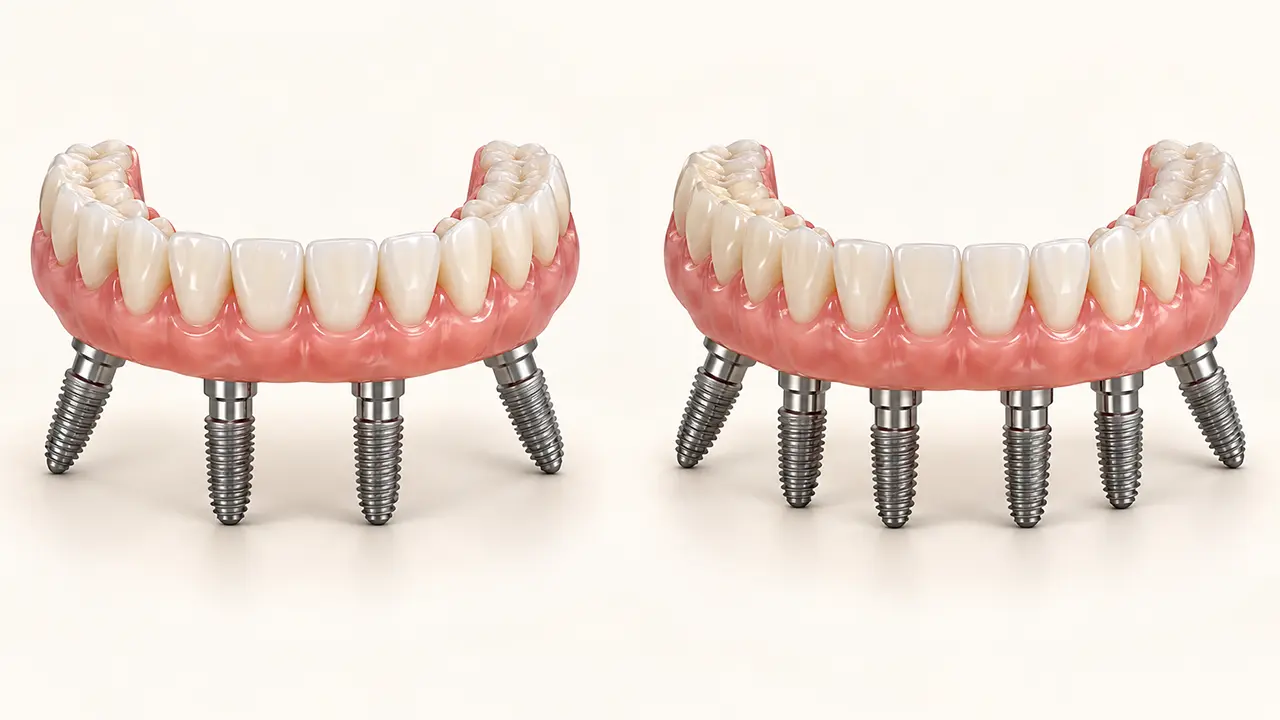
- Dental implants
- A complete smile makeover
Two people requesting Turkey teeth may receive completely different treatment plans. Someone with healthy but discoloured teeth may be suitable for veneers, while another patient with heavily damaged or missing teeth may require crowns, root canal treatment or implants.
Treatment should therefore be selected according to the condition of each tooth, the health of the gums and the patient’s bite rather than by choosing a standard package based only on appearance.
Why Has the Turkey Teeth Trend Become So Popular?
The Turkey teeth trend has grown rapidly through social media, where dramatic smile transformations can be viewed in short videos and before-and-after posts.
Several factors have contributed to its popularity.
More accessible treatment costs
Dental treatment in Turkey can be more affordable than comparable private treatment in countries such as the UK or the US. This difference is often related to lower clinic operating expenses, staffing costs and laboratory fees, as well as currency differences.
A lower price does not automatically mean lower-quality care. However, patients should compare the dentist’s experience, treatment plan, materials, clinic standards and aftercare arrangements instead of choosing a provider based only on the cheapest quote.
Shorter waiting times
International dental clinics in Turkey are often able to organise consultations and treatment around a patient’s travel dates. This can make treatment easier to plan for people facing long waiting times or high private dental costs in their home country.
Dental travel packages
Some clinics coordinate parts of the patient’s journey alongside the clinical treatment. Depending on the package, this may include airport transfers, transport between the hotel and clinic, hotel coordination, digital scans, temporary restorations and follow-up appointments.
Patients should always request a written explanation of what is included, as package details can vary between clinics.
Experience with international patients
Clinics working regularly with international patients are often familiar with remote consultations, travel schedules and English-language communication. However, this experience should complement a detailed clinical examination rather than replace it.
Are Turkey Teeth Veneers or Crowns?
Turkey teeth can involve veneers, crowns or a combination of both. Although these treatments can produce similar cosmetic changes, they are not interchangeable.
Dental veneers
Veneers are thin ceramic shells bonded mainly to the front surface of the teeth. They may be considered when the teeth are structurally healthy but have cosmetic concerns such as:
- Persistent discolouration
- Small gaps
- Minor chips
- Uneven edges
- Irregular shapes
- Slight differences in tooth size
Patients whose main concerns are cosmetic may be suitable for dental veneers in Turkey, particularly when the natural teeth do not require full structural coverage.
A small amount of enamel may need to be removed from the front and sides of the tooth so that the veneer can fit and bond correctly. The required preparation depends on the position of the tooth, the selected material and the intended result.
Dental crowns
A dental crown covers the entire visible part of a prepared tooth. Crowns may be recommended when a tooth requires additional support because it is:
- Heavily filled
- Broken or cracked
- Severely worn
- Root canal treated
- Structurally weakened
- Significantly misshapen
When teeth require greater protection or more extensive reshaping, zirconium crowns in Turkey may be included in the treatment plan.
Because a crown surrounds the tooth, it generally requires more preparation than a veneer. Crowns should therefore be recommended according to clinical need rather than used automatically for every cosmetic smile makeover.
How Much Do Turkey Teeth Cost?
There is no single Turkey teeth price because the term can refer to different treatments, materials and numbers of teeth.
At Novexdent, current package prices start from:
- €180 per zirconium crown
- €240 per veneer
These figures are starting prices rather than guaranteed final quotes. The total cost is confirmed following consultation and depends on the individual treatment plan. Current package information and starting prices can be reviewed on the dental treatment costs in Turkey page.
What affects the final Turkey teeth cost?
The price may vary according to:
- Whether veneers or crowns are recommended
- The number of teeth being treated
- The type of ceramic material
- The condition of the natural teeth
- Existing fillings, crowns or root canal treatments
- Gum health
- Bite alignment
- Supporting dental procedures
- Laboratory requirements
- Accommodation and transfer arrangements
For example, a patient changing the appearance of six healthy front teeth will require a very different treatment plan from someone restoring damaged teeth across both jaws.
Before making a payment, patients should receive a written plan explaining the procedure, number of teeth, material selection, package inclusions and possible additional costs.
Why Are Turkey Teeth Cheaper?
The lower price of dental treatment in Turkey is generally related to economic and operational differences rather than one single factor.
These may include:
- Lower clinic running costs
- Lower laboratory expenses
- Different staffing costs
- Currency exchange differences
- Competitive international patient packages
- A high volume of cosmetic dental cases
Price should still be considered alongside the dentist’s qualifications, the quality of the materials, treatment planning and long-term support.
An unusually low quote may not include necessary procedures, temporary restorations, follow-up care, transfers or replacement policies. This is why comparing the full treatment plan is more useful than comparing only the cost per tooth.
What Is the Turkey Teeth Process?
The process depends on the treatment selected, but veneer and crown smile makeovers generally follow several main stages.
1. Online consultation
The process may begin with photographs, videos, existing dental records and recent X-rays. These allow the clinical team to provide an initial assessment and discuss possible treatment options.
An online assessment cannot completely replace an in-person examination. The preliminary recommendation or price may change if the dentist identifies decay, gum disease, infection or structural damage during the clinical appointment.
2. Dental examination
After arriving at the clinic, the dentist examines the teeth, gums, existing restorations and bite. Digital scans, photographs and X-rays may also be taken.
Any active oral health problems should be identified before cosmetic treatment begins. Veneers or crowns should not simply cover untreated decay, gum disease or infection.
3. Smile planning
The treatment team plans the appearance and function of the proposed restorations. This may include decisions about:
- Tooth shape
- Tooth length
- Smile symmetry
- Tooth shade
- Gum line
- Facial proportions
- Bite relationship
The objective should not automatically be to create the largest or whitest possible teeth. The new smile should suit the patient’s face, lips and natural proportions.
4. Tooth preparation
The teeth are prepared according to the selected treatment.
Veneers generally involve preparation mainly on the front surface, while crowns require the tooth to be shaped around several surfaces. Local anaesthetic may be used to keep the patient comfortable.
The dentist should explain how much natural tooth structure will be removed and why the preparation is necessary before beginning.
5. Digital impressions and temporary restorations
Digital scans or impressions are taken and sent to the dental laboratory. Temporary restorations may be placed while the final ceramics are being produced.
Temporary teeth can also help the patient and dentist review the proposed shape, length and overall appearance before the permanent restorations are completed.
6. Trial fitting
The final veneers or crowns are tested before permanent placement. The dentist evaluates:
- Fit
- Shape
- Shade
- Gum relationship
- Speech
- Bite
- Overall smile appearance
Necessary adjustments should be made before the restorations are permanently bonded or cemented.
7. Final placement
After the fit and appearance have been approved, the restorations are placed permanently. The dentist completes final bite checks and makes any required refinements.
8. Aftercare
Patients should receive instructions explaining how to clean their restorations, what to eat after treatment, how to manage temporary sensitivity and which warning signs require clinical advice.
Novexdent’s packages currently include treatment planning, clinic visits, adjustments, transfers and hotel coordination, along with continued aftercare support.
Do Turkey Teeth Require Tooth Shaving?
One of the most common concerns about Turkey teeth is whether the natural teeth will be filed down.
Some degree of preparation may be necessary for both veneers and crowns, but the amount is not the same for every patient or procedure.
For veneers, the dentist may remove a small amount of enamel to create space for the ceramic and achieve a reliable bond. In selected cases, minimal-preparation or no-preparation veneers may be possible, but these options are not suitable for every tooth.
Crowns cover the whole visible tooth and generally require preparation on several surfaces. They are more commonly recommended when the tooth already needs structural protection or significant reshaping.
Reducing healthy teeth extensively simply to place crowns should not be treated as the standard approach for every cosmetic case. Before treatment, the dentist should explain:
- Why preparation is required
- How much tooth structure will be removed
- Whether a more conservative option is available
- Whether the procedure is reversible
- What future maintenance may be necessary
Once enamel has been removed for a veneer, the procedure is generally considered irreversible. This makes proper assessment and informed consent especially important.
Are Turkey Teeth Safe?
Dental treatment in Turkey can be carried out safely, but safety depends on the dentist, clinic, diagnosis, procedure and aftercare rather than simply the country where treatment takes place.
Veneers and crowns can involve possible risks such as:
- Temporary tooth sensitivity
- Gum irritation
- Bite discomfort
- Chipping or fracture
- Loosening or debonding
- Difficulty cleaning around restorations
- Decay affecting the underlying tooth
- The future need for repair or replacement
Travelling abroad can also make follow-up treatment more complicated if a problem develops after returning home.
Before booking, patients should understand who will provide aftercare, what the clinic’s guarantee covers and whether a return visit could be required. The NHS advises patients considering treatment abroad to check the qualifications of the clinical team, discuss possible complications and confirm how aftercare will be coordinated. It also lists pressure to book quickly, limited information and no discussion of aftercare among the warning signs to consider.
How to Choose a Dental Clinic in Turkey
A reliable clinic should clearly explain the recommended treatment, expected result, limitations, risks and total price.
Before choosing a clinic, ask the following questions.
Who will carry out the treatment?
Request information about the dentist who will be responsible for the case, including their qualifications and experience with the proposed procedure.
Patients should not rely only on the clinic’s brand name or the person managing online messages.
What treatment am I receiving?
Ask whether the proposed restorations are:
- E-Max veneers
- Laminate veneers
- Zirconium crowns
- E-Max crowns
- Composite restorations
- Implant-supported restorations
Terms such as “Hollywood smile”, “smile makeover” or “Turkey teeth” do not explain the clinical procedure by themselves.
Why is the treatment recommended?
The dentist should explain why a veneer, crown or another procedure is suitable for each tooth.
A complete smile makeover does not necessarily require the same type of restoration on every tooth.
What does the price include?
Confirm whether the quote includes:
- Dental examination and scans
- Temporary teeth
- Laboratory fees
- Medication
- Supporting procedures
- Hotel coordination
- Airport and clinic transfers
- Follow-up appointments
- Repairs or replacement
- Aftercare after returning home
What happens if there is a complication?
Ask who should be contacted, how quickly the clinic will respond and whether the patient may need to return to Turkey.
Can the treatment plan be reviewed before booking?
Patients should have enough time to understand the proposed procedure, alternatives and risks without being pressured to make an immediate payment.
The General Dental Council recommends researching how dental professionals are regulated in the destination country and understanding what options are available if something goes wrong.
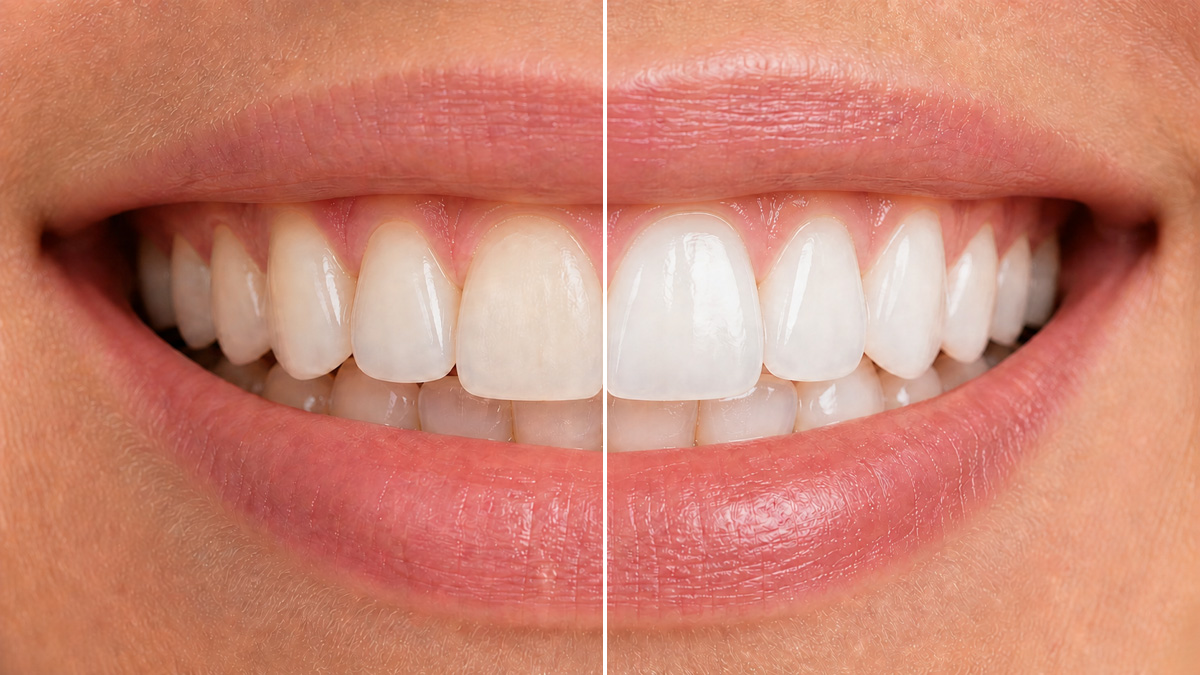
What Should Turkey Teeth Before and After Results Look Like?
Turkey teeth before-and-after photographs can help patients understand a clinic’s aesthetic style, but they should be evaluated carefully.
Look for results that show:
- Balanced tooth proportions
- A shade that suits the patient
- Natural-looking translucency
- Healthy gum contours
- Teeth that follow the lip line
- Individual tooth shapes
- Photographs taken from consistent angles
Very white teeth are not automatically evidence of a successful result. Shape, symmetry, gum health, bite and facial balance are also important.
Patients should ask whether the images show real cases completed at the clinic and whether the result involved veneers, crowns, whitening, implants or a combination of treatments.
Results also vary according to the condition of the original teeth, jaw position, gum health, facial features and selected material. Another patient’s before-and-after image cannot guarantee an identical result.
How Long Do Turkey Teeth Last?
The lifespan of veneers and crowns depends on several factors, including:
- Material quality
- Clinical fit
- Bite forces
- Oral hygiene
- Teeth grinding
- Smoking
- Diet
- Regular dental care
Even high-quality restorations may eventually require repair, rebonding or replacement.
Patients can help protect their new smile by:
- Brushing twice a day
- Cleaning between the teeth daily
- Attending regular dental check-ups
- Avoiding biting hard objects
- Not using teeth to open packages
- Wearing a night guard when recommended
- Seeking advice if the bite feels uneven
- Avoiding smoking where possible
The natural teeth and gums around the restorations still require routine care. Veneers and crowns do not prevent decay or gum disease from developing.
Who May Be Suitable for Turkey Teeth?
Veneers or crowns may be considered for patients who want to improve concerns such as:
- Persistent tooth discolouration
- Worn or chipped teeth
- Irregular tooth shapes
- Small gaps
- Damaged restorations
- Teeth requiring structural support
However, cosmetic restorations may not be the first recommendation when a patient has:
- Active tooth decay
- Untreated gum disease
- Severe teeth grinding
- Significant bite problems
- Insufficient enamel for predictable bonding
- Teeth that may be better treated with orthodontics
- Unrealistic expectations about the result
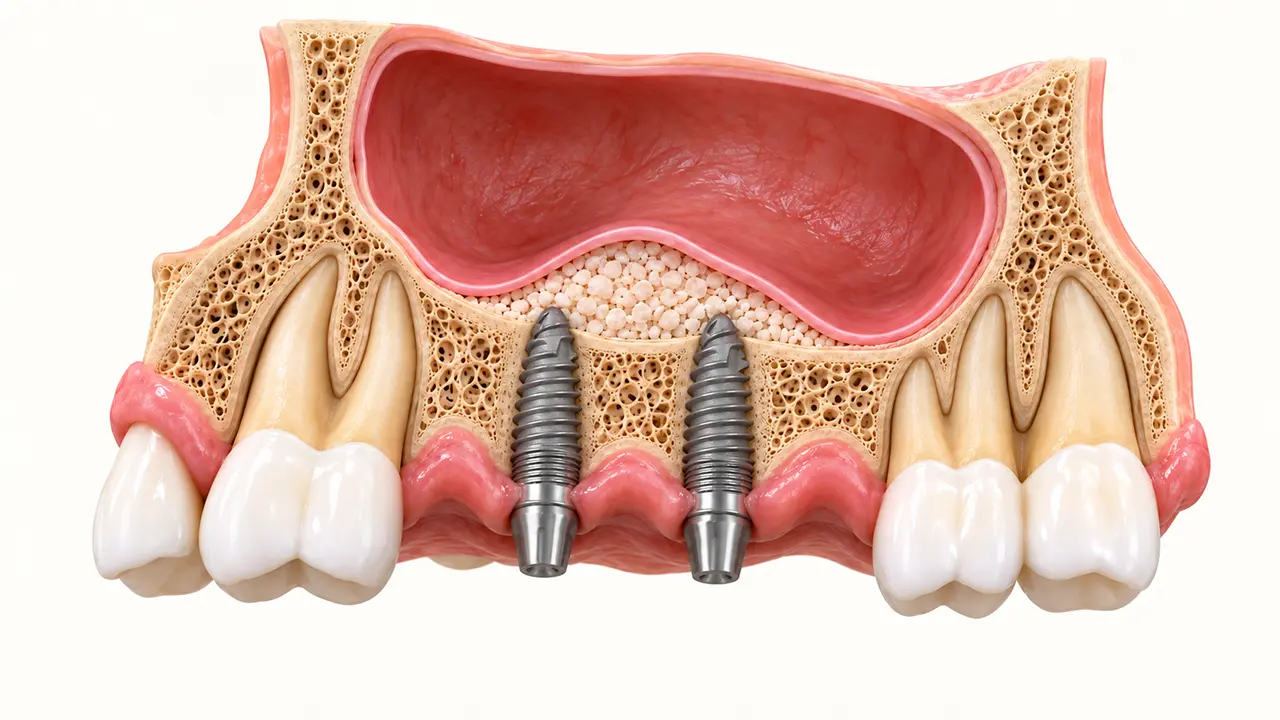
Patients with missing teeth may require restorative treatment rather than veneers alone. In these cases, dental implants in Turkey may be considered to replace the missing tooth from the root and support a fixed restoration.
Suitability can only be confirmed following an individual dental assessment.
Planning Turkey Teeth Treatment at Novexdent
At Novexdent, treatment planning begins with an evaluation of the teeth, gums, bite, facial features and the patient’s expectations.
Depending on the clinical findings, the proposed plan may involve veneers, zirconium crowns, implants or another restorative procedure. The number of teeth, material selection, necessary preparation and total price should be explained before treatment begins.
The aim should not simply be to produce a dramatic transformation. A well-planned smile should protect oral health, function comfortably and look balanced with the patient’s natural facial features.
Frequently Asked Questions About Turkey Teeth
What does Turkey teeth mean?
Turkey teeth is an informal phrase used to describe cosmetic or restorative dental treatment completed in Turkey. It commonly refers to veneers, zirconium crowns or a complete smile makeover rather than one specific procedure.
Are Turkey teeth veneers or crowns?
They can be either. Veneers mainly cover the front surface of a tooth, while crowns surround the entire prepared tooth. The appropriate treatment depends on the condition and structure of each tooth.
How much do Turkey teeth cost?
The total cost depends on the treatment type, number of teeth, selected material and any additional procedures required. At Novexdent, current prices start from €180 per zirconium crown and €240 per veneer. The final quote is confirmed after an individual assessment.
Are teeth shaved down for Turkey teeth?
Some preparation may be required. Veneers generally involve less tooth reduction than crowns, but the amount depends on the position of the tooth, material and clinical treatment plan.
How long does Turkey teeth treatment take?
The duration varies according to the treatment and laboratory process. Many veneer and crown cases can be completed during a planned stay in Turkey, while implant treatment and additional procedures may require a longer process or more than one visit.
Can Turkey teeth look natural?
Carefully planned veneers and crowns can create a natural-looking result when their shape, shade, translucency and proportions are selected to suit the patient. The outcome depends on clinical planning, material quality and laboratory work.
How long do Turkey teeth last?
There is no guaranteed lifespan. Longevity depends on the restoration, bite, fit, oral hygiene and habits such as grinding or biting hard objects. Veneers and crowns may eventually require maintenance or replacement.
What should I check before choosing a clinic?
Check the dentist’s qualifications, proposed treatment, material selection, written price, package inclusions, before-and-after cases, possible risks, guarantee conditions and aftercare arrangements.
LATEST ARTICLES
Beyond the Smile