Let your
journey start
in ISTANBUL
journey start
in ISTANBUL
in ISTANBUL
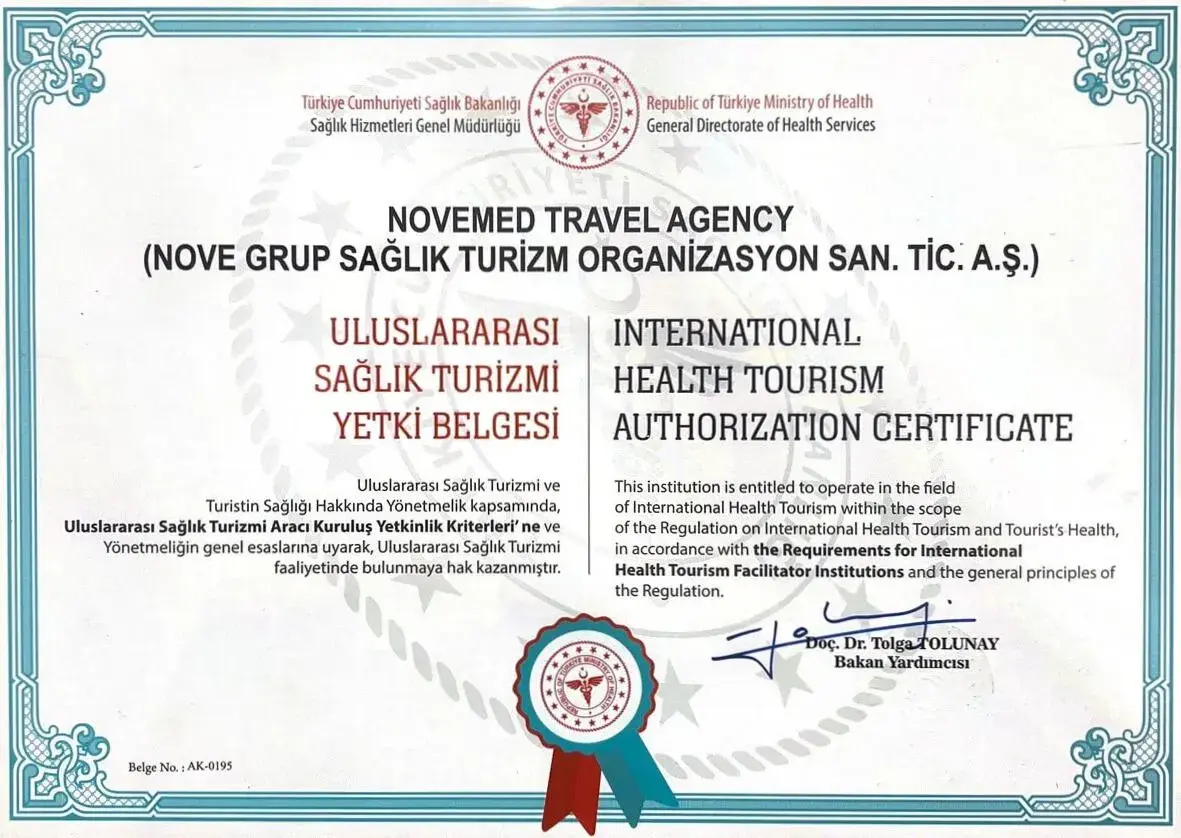
NOVE GRUP SAĞLIK TURİZM ORGANİZASYON SAN. TİC. A.Ş.
E-MAIL
INFO@NOVEXDENT.COMPHONE
+90(549) 680 15 34Whatsapp chat available
Clinically called Tooth Mobility. It is the movement of a tooth within its socket greater than the normal physiological limit (0.25mm). It is classified from Grade I (slight) to Grade III (severe/vertical movement).
In adults, a loose tooth is a red flag. It usually signals advanced Periodontitis (bone loss), trauma (from grinding or a hit), or an abscess. Without treatment, the tooth will fall out.
A tooth that wiggles because the bone or ligaments holding it are damaged.
The most common cause is bone loss from gum disease. Heavy grinding (bruxism) can also "rock" a tooth loose.
How to fix a loose tooth?
Deep Cleaning: To heal gums and tighten the pocket.
Splinting: Bonding the loose tooth to stable neighbors.
Occlusal Adjustment: Grinding the bite so the tooth isn't hit as hard.
Beyond the Smile
We use cookies to personalise content, ads and to analyse our traffic. We also share information about your use of our site with our advertising and analytics partners who may combine it with other information that you’ve provided to them or that they’ve collected from your use of their services. Cookie Policy